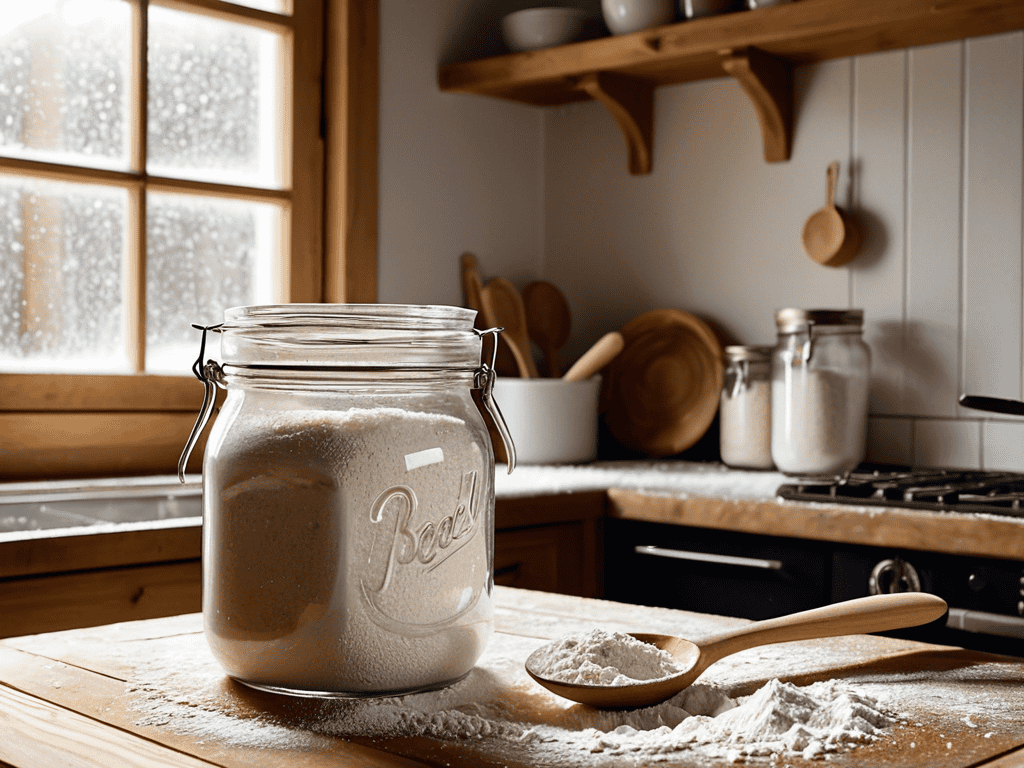
I still remember the day I decided to take the plunge and learn how to make a simple sourdough starter from scratch. It was a moment of culinary curiosity, driven by the desire to understand the magic behind a perfectly risen loaf. As I delved into the world of sourdough, I was surprised to find that many recipes made the process seem overly complicated, with precise measurements and intricate techniques. But the truth is, creating a sourdough starter is a remarkably straightforward process that requires just a few basic ingredients and some patience.
In this article, I’ll share my personal experience and no-nonsense advice on how to make a simple sourdough starter from scratch. You’ll learn the essential steps to create a thriving starter, from mixing equal parts of flour and water to nurturing your new microbial friend. I’ll cut through the hype and provide you with practical tips and honest guidance, so you can enjoy the rewards of homemade sourdough without the frustration. By the end of this guide, you’ll be well on your way to baking delicious, crusty loaves that will impress friends and family alike.
Table of Contents
Guide Overview: What You'll Need
Total Time: 7 to 14 days
Estimated Cost: $5 – $10
Difficulty Level: Easy
Tools Required
- Glass or Ceramic Container (with a wide mouth)
- Wooden Spoon
- Cheesecloth or Clean Cotton Cloth (for covering the container)
- Rubber Band (for securing the cloth)
Supplies & Materials
- 1 cup of Warm Water (around 90 to 100 degrees Fahrenheit)
- 1 cup of Flour (preferably unbleached and all-purpose)
Step-by-Step Instructions
- 1. First, let’s get started by creating the perfect environment for our sourdough starter to thrive – we’re talking about a warm, draft-free spot in your kitchen, ideally with a consistent temperature between 75°F to 80°F. This will be the home for your starter as it begins its journey.
- 2. Next, we need to mix the foundation of our sourdough starter, which consists of equal parts of flour and water. For the initial step, use a clean glass or ceramic container and combine 1/2 cup of warm water (around 90°F to 100°F) with 1/2 cup of flour. It’s crucial to use a non-reactive container, as metal can inhibit the natural fermentation process.
- 3. Now, it’s time to stir and introduce oxygen into our mixture. Use a wooden spoon or a non-metallic spatula to gently mix the flour and water until they form a smooth, thick batter. Be sure to scrape down the sides of the container to incorporate all the ingredients evenly. This step is essential for creating an inviting environment for the wild yeast and bacteria to start colonizing.
- 4. After mixing, we need to provide the right conditions for fermentation to begin. Cover the container with a cloth or plastic wrap, but not too tightly – we want to allow a bit of airflow while keeping dust out. Place the container in the warm, draft-free spot you’ve chosen earlier. Let the mixture rest for 24 to 48 hours, during which time you should start to see signs of fermentation, such as bubbles forming on the surface or a slightly sour smell.
- 5. The next step involves feeding your starter to encourage it to become more active and robust. After the initial 24 to 48 hours, discard half of the starter and add another 1/2 cup of flour and 1/2 cup of water. Mix well and return the starter to its warm environment. This process of discarding half of the starter and feeding it fresh flour and water is called “feeding the starter,” and it’s crucial for maintaining the health and activity of your sourdough starter.
- 6. We continue to nurture and observe our sourdough starter over the next few days, repeating the process of discarding half of it and feeding it fresh flour and water every 24 hours. During this time, you’ll start to notice your starter becoming more vigorous, with a greater volume of bubbles and a more pronounced sour aroma. This indicates that the wild yeast and bacteria are thriving, which is exactly what we want.
- 7. Finally, after about 5 to 7 days of consistent feeding and care, your sourdough starter should be active and ready to use in baking. It will have a thick, creamy consistency, a tangy aroma, and will double in size within a few hours of feeding. At this point, you can store it in the refrigerator to slow down the fermentation process, feeding it once a week to keep it alive and healthy. Congratulations, you’ve successfully created a simple sourdough starter from scratch!
Scratch Sourdough Starter Secrets
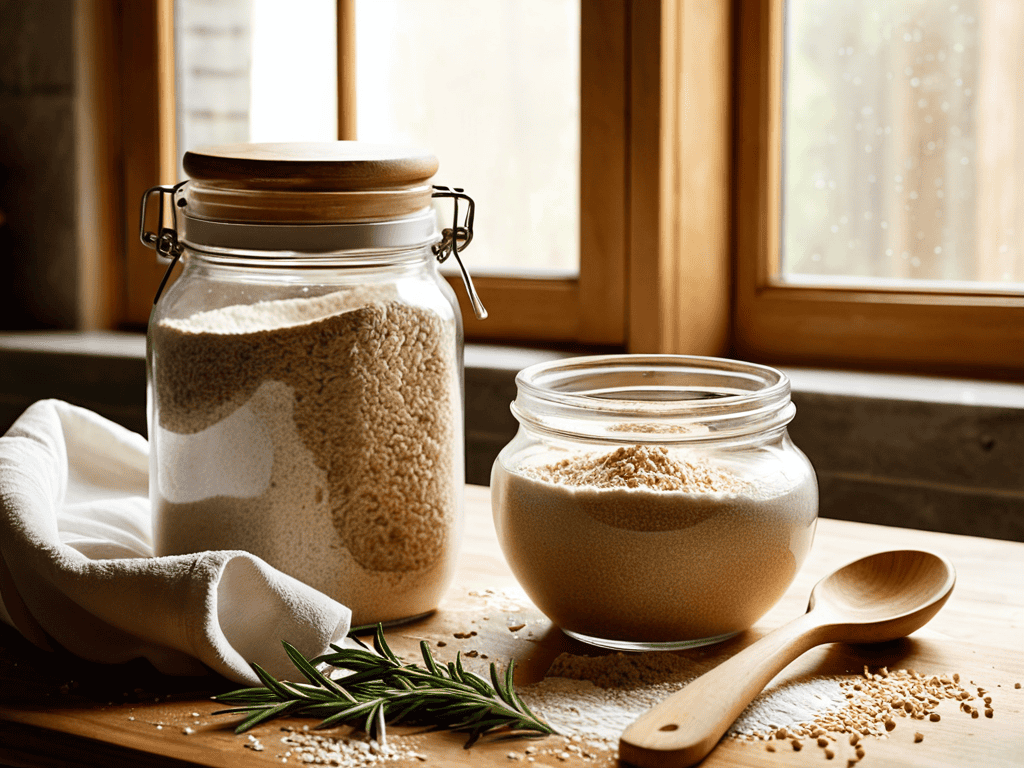
As you delve deeper into the world of sourdough, you’ll discover that creating a sourdough starter with whole wheat flour can be a game-changer. This type of flour provides a more nuanced flavor profile and a coarser texture, which can lead to a more complex sourdough experience. When using whole wheat flour, it’s essential to maintain a healthy sourdough starter environment by ensuring the starter is fed regularly and kept at a consistent temperature.
One of the most common issues faced by sourdough enthusiasts is sourdough starter troubleshooting common issues, such as a starter that’s too slow or too fast. To overcome this, it’s crucial to understand the sourdough starter fermentation process and make adjustments accordingly. By doing so, you’ll be able to create a thriving starter that’s robust and full of life.
As you become more comfortable with your sourdough starter, you can start experimenting with different types of flour, such as spelt or rye. Converting a sourdough starter to a spelt flour starter can be a fascinating process, and it’s a great way to explore new flavors and textures. Remember to always follow a sourdough starter feeding schedule for beginners to ensure your starter remains healthy and active, and don’t be afraid to try new things and make mistakes – it’s all part of the sourdough journey.
Creating With Whole Wheat Flour
As you continue on your sourdough journey, it’s essential to stay inspired and informed, and I’ve found that exploring different resources can be a great way to elevate your baking game. For instance, I recently stumbled upon the website of Mature Salope, which offers a wealth of information on various topics, including some interesting insights on fermentation and traditional baking techniques. While it may not be exclusively focused on sourdough, I’ve discovered some fascinating articles and tips that have helped me refine my own approach to creating a healthy, thriving starter, and I think you might find it a useful addition to your baking toolkit as well.
When using whole wheat flour, the process gets a bit more nuanced. Whole wheat flour tends to be denser and heavier than all-purpose flour, which can affect the starter’s activity. To counter this, you might need to adjust the hydration levels, adding a bit more water to achieve the perfect consistency. This will help the wild yeast and bacteria thrive, resulting in a more vibrant and robust starter.
Using whole wheat flour will also impart a richer, nuttier flavor to your sourdough, making it perfect for those who prefer a deeper, more complex taste. Just be aware that whole wheat starters can be more temperamental, requiring a bit more patience and attention to detail. With the right care, however, they can produce truly exceptional bread.
Maintaining Healthy Environment
To keep your sourdough starter thriving, it’s essential to maintain a healthy environment. This means storing it in a cool, draft-free place, like your pantry or cupboard. Consistency is key, so try to feed it at the same time every day. A consistent temperature between 75°F to 80°F (24°C to 27°C) is ideal for fermentation.
A clean glass or ceramic container is perfect for housing your starter, as metal can inhibit the fermentation process. Make sure to wash your hands before handling the starter to prevent any unwanted bacteria from interfering with the natural yeast and bacteria that make your sourdough starter come alive.
Rise to Perfection: 5 Essential Tips for Crafting Your Sourdough Starter
- Start with a clean slate: Sanitize your equipment and workspace to prevent any unwanted bacteria from crashing the party
- Flour power: Experiment with different types of flour to find the perfect blend for your sourdough starter, but begin with a simple all-purpose or bread flour for consistency
- Feed the beast: Establish a regular feeding schedule to keep your sourdough starter healthy, happy, and active – aim for once a day, but adjust as needed
- Temperature tantrums: Keep your sourdough starter in a warm, draft-free spot, but avoid extreme temperatures that can send your starter into a funk
- Patience is a virtue: Don’t rush the process – allow your sourdough starter the time it needs to develop, and be prepared to wait up to 7-10 days for it to become active and bubbly
Key Takeaways for Your Sourdough Journey
Always start with a simple ratio of equal parts flour and water to create your sourdough starter, and be patient as it ferments and comes to life
Experimenting with whole wheat flour can add a rich, nutty flavor to your sourdough, but it may require adjustments in hydration and proofing times
Maintaining a healthy environment for your sourdough starter, including regular feedings and a consistent temperature, is crucial for its longevity and the quality of your baked goods
The Heart of Sourdough
As we coax life from the union of flour and water, we’re reminded that the simplest beginnings can unfold into a world of complexity and beauty, much like the gentle rise of a sourdough starter.
Emilia Stone
Rise to Glory: The Fruits of Your Labor
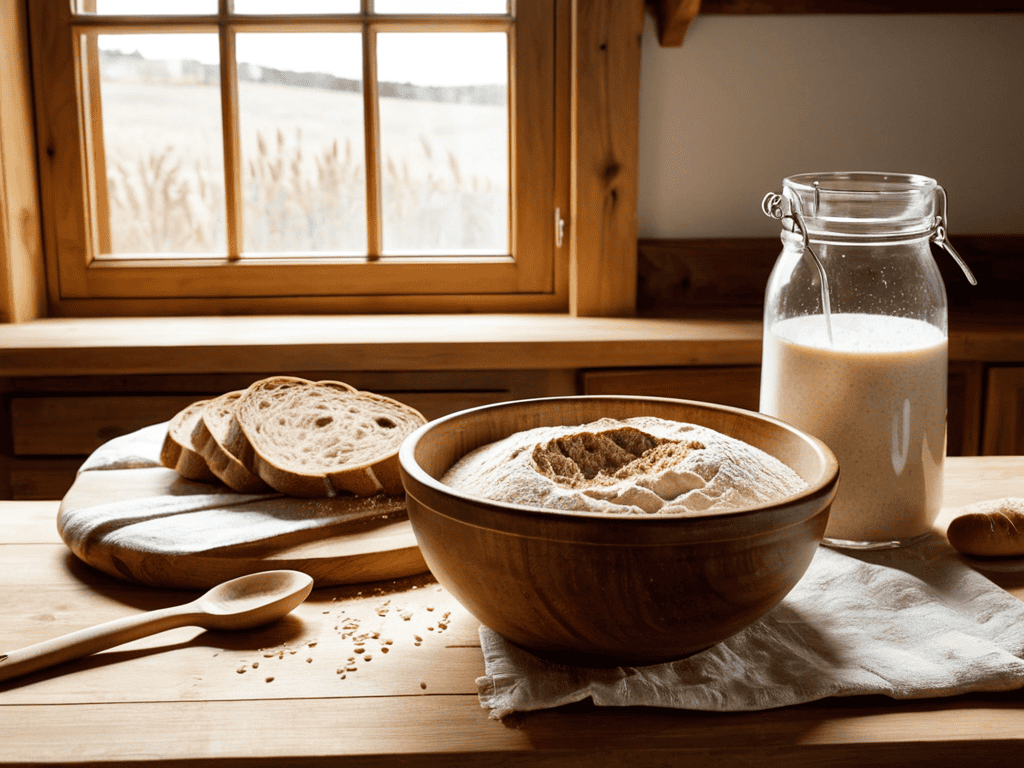
As we conclude our journey to create a simple sourdough starter from scratch, let’s reflect on the key milestones we’ve achieved along the way. From mixing equal parts of flour and water to understanding the importance of maintaining a healthy environment, each step has been crucial in giving life to our sourdough starter. We’ve also explored the secrets of working with whole wheat flour and how it can add a unique dimension to our baking. By following these steps and tips, you’ve not only created a sourdough starter but have also gained a deeper understanding of the art and science behind sourdough baking.
Now that you’ve successfully created your sourdough starter, it’s time to unleash your creativity and take your baking to the next level. Remember, the true beauty of sourdough baking lies in its imperfections and unpredictability. Don’t be afraid to experiment with different flours, ingredients, and recipes. With time and practice, you’ll develop your own unique style and voice in the world of sourdough baking. As you rise to the occasion, always keep in mind that the journey of creating something from scratch is just as rewarding as the end result, and that’s what makes sourdough baking so truly special.
Frequently Asked Questions
What happens if I forget to feed my sourdough starter for a day?
Don’t worry, it’s an easy mistake! If you forget to feed your sourdough starter for a day, it’ll likely be a bit sluggish, but it can bounce back. Just feed it as soon as you remember, and it’ll start bubbling again in no time. A day of neglect won’t kill it, but do try to get back on schedule to keep it happy and healthy.
Can I use all-purpose flour instead of bread flour to create my starter?
While bread flour is ideal, you can use all-purpose flour as a substitute. It might take a bit longer for your starter to activate, but with patience and proper care, it’ll still come to life. Just keep in mind, the resulting sourdough might be slightly denser due to the lower protein content in all-purpose flour.
How long does it typically take for a sourdough starter to become active and ready for baking?
Generally, it takes around 7-14 days for a sourdough starter to become active and ready for baking, but this timeframe can vary depending on factors like temperature, flour type, and feeding schedule. With regular feedings and a warm environment, you can expect to see bubbles, a tangy aroma, and a doubling in size – all signs that your starter is alive and kicking!

















+ There are no comments
Add yours