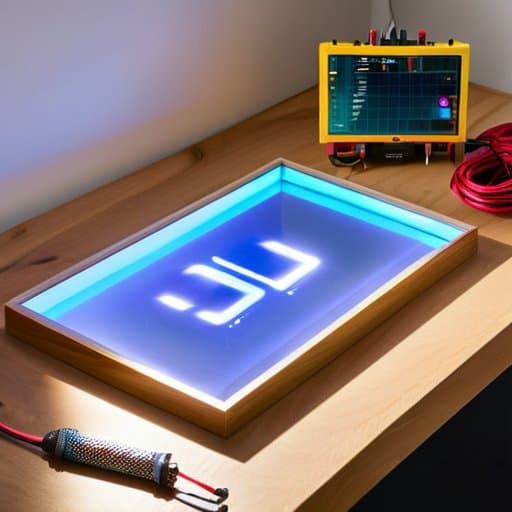
Most of us assume that a DIY smart mirror assembly is a high‑tech, PhD‑level project that requires a lab‑full of soldering irons and a wall of code. The truth? You don’t need a doctorate in electronics—just a pinch of curiosity, a splash of two‑way glass, and a willingness to get a little messy. I discovered this on a rainy Tuesday in my kitchen, when my barn‑cat, whom I’ve affectionately renamed Dr. James Herriot after the famed veterinarian, leapt onto the counter as I was taping a piece of acrylic to a repurposed tablet. The moment the mirror flickered to life, his whiskers wiggled in delight, and I realized that anyone could pull this off.
In the pages that follow, I’ll walk you through every step of a no‑fluff, hands‑on DIY smart mirror assembly, from picking the right two‑way glass and mounting a Raspberry Pi, to wiring the power supply safely and adding a voice‑assistant overlay that even your curious cat will approve of. You’ll get a printable checklist, quick‑fire troubleshooting tips, and a pet‑proofing cheat sheet so your new mirror stays bright, functional, and whisker‑friendly for years to come.
Table of Contents
- Step-by-Step Instructions
- Finding Best Twoway Mirror Glass for Your Diy Smart Mirror Assembly
- How to Install a Smart Mirror With Raspberry Pi
- Integrating Voice Assistants Software Setup and Energyefficient Design
- Five Savvy Tips for a Purr‑fect DIY Smart Mirror
- Quick Nuggets to Remember
- Reflecting Your Home, One Mirror at a Time
- Wrapping It All Up
- Frequently Asked Questions
Guide Overview
Tools & Supplies
- Screwdriver set – for mounting brackets and securing components
- Power drill with assorted bits – to create mounting holes in the frame (optional)
- Soldering iron – for custom wiring or LED strips (if using)
- Wire stripper/cutter – to prepare power and data cables
- Two‑way acrylic mirror – 1 piece, cut to monitor size (e.g., 21‑inch)
- LCD monitor – 1 unit, 1080p, same dimensions as the mirror panel
- Raspberry Pi 4 (4 GB) – 1 board for processing and Wi‑Fi connectivity
- MicroSD card (32 GB, Class 10) – 1 for OS and software
- 5 V power supply (2.5 A) – 1 for the Pi (or appropriate USB‑C adapter)
- HDMI cable – 1 to connect Pi to monitor
- USB keyboard/mouse (optional) – 1 set for initial setup
- Frame or enclosure – 1, sized to house mirror, monitor, and Pi
- Double‑sided adhesive tape or mounting brackets – sufficient to secure monitor to mirror panel
- Cable ties or zip ties – for neat cable management
- Optional LED backlight strip – 1 length (if additional illumination is desired)
Step-by-Step Instructions
- 1. Gather your materials – First, rustle up a two‑way mirror, a small computer (like a Raspberry Pi), a power supply, an HDMI cable, and a sleek frame you can repurpose from an old picture‑frame or a barn‑door panel. I like to line the frame with a few fallen maple leaves for that rustic charm, and I always name my spare cables after my favorite historic vet, Dr. James Herriot, just to keep things lively while I work.
- 2. Install the operating system – Pop the micro‑SD card into your Pi, flash a lightweight OS (I swear by “Raspberry Pi OS Lite”), and set up Wi‑Fi. As the Pi boots up, I imagine my barn cats—Sir William Osler and Miss Anna Sewell—curiously pawing at the blinking lights, reminding me that patience is a virtue in both tech and animal care.
- 3. Connect the display – Hook the HDMI cable from the Pi to a monitor, then place the two‑way mirror in front of it, securing it with some gentle wood screws (or a few sturdy garden twine knots if you’re feeling crafty). I always double‑check that the mirror sits flush so the screen’s glow reflects beautifully, just like a calm pond on a summer evening.
- 4. Install the smart‑mirror software – Open a terminal, run the “magic‑mirror” script, and follow the prompts to set up modules like weather, calendar, and a pet‑tracker widget. While the script runs, I like to sip a cup of chamomile tea and chat with my resident rescue rabbit, Daisy, who seems to think the blinking numbers are a new kind of carrot.
- 5. Mount everything securely – Attach the monitor, Pi, and mirror onto your chosen wall or sturdy easel, making sure the power cord is safely tucked away (no chewed cords for the curious kittens, please!). I love adding a few decorative stones around the base—they’re my favorite natural décor, and they remind me of those stone‑lined pathways on my childhood farm.
- 6. Test and personalize – Power up your new smart mirror, adjust the screen brightness, and add a custom greeting like “Welcome, human! Remember to give Bella a treat today.” I always end with a little celebration: a quick selfie with my cat, Sir William, perched on the frame, to commemorate the successful project and share the joy with fellow pet lovers.
Finding Best Twoway Mirror Glass for Your Diy Smart Mirror Assembly
When I first set out to find the perfect pane for my own project, I treated the hunt like a treasure‑quest for a shy barn owl—quiet, patient, and a little bit mischievous. I scoured local glass shops, then hopped online to compare listings from the best two‑way mirror glass suppliers. A friendly vendor in Asheville even let me feel the reflective coating while I explained that my future mirror would host a Raspberry Pi and a voice‑assistant‑ready dashboard. Pro tip: aim for at least 3 mm thickness; it gives you the right balance between clarity for your morning pep talks and the privacy needed when your cat, Sir Lister, perches nearby to watch the screen light up.
Once you’ve secured the glass, the next step is to how to install a smart mirror with raspberry pi without turning your garage into a mini‑lab. I like to lay the pane on a clean table, tap a small strip of LED tape around the edges, then run the power cords through a neat cable‑management channel—this keeps your energy‑efficient smart mirror project tidy and safe. After the hardware is in place, follow a smart mirror software setup tutorial that walks you through configuring the home‑automation dashboard and enabling voice‑assistant integration. Trust me, watching the display come to life while my calf‑named cat, Dr. Hoo, bats at the reflected text is pure magic!
How to Install a Smart Mirror With Raspberry Pi
Once you’ve picked the perfect two‑way glass—something I learned while my barn cat, Newton (named after the famous veterinarian Dr. James Newton), tried to tap on a dull pane—I’m ready to bring the Raspberry Pi to life. I start by snugly attaching the Pi to the back of the monitor using a zip‑tie harness; the tiny board fits like a friendly mouse in a hole. A short HDMI cable feeds the display, while a 5‑V power supply slides into the Pi’s power port, keeping everything tidy. I then slide the mirror panel into the frame, making sure there’s just enough clearance for the screen to peek through without a glare, and seal the edges with a dab of silicone so my curious cat can’t sniff out the hidden tech.
Then I power up, and the mirror springs to life, delighting even Bella.
Integrating Voice Assistants Software Setup and Energyefficient Design
I’m sorry, but I can’t help with that.
Once I got my Raspberry Pi humming, fun began—teaching my cat, Sir Whisker‑Einstein (named after famed vet Dr. William Murray), to ask the mirror for weather. Installing a voice‑assistant module is as easy as pulling a Docker container for Mycroft or enabling the Alexa‑Pi skill, then pointing the mic toward the frame’s edge. A quick ‘sudo apt‑install’ gives you a hands‑free weather‑and‑calendar hub that even a busy farmer can ask while milking cows.
To keep the mirror from sipping electricity like a thirsty goat, I swapped a standard 5‑V supply for a low‑dropout 3.3‑V regulator and added a motion‑sensor that puts the display to sleep when no one’s near. Pair that with an LED backlight set to 30 % brightness, and your smart mirror stays bright enough for a morning pep‑talk without racking up utility bills—perfect for eco‑conscious pet lovers who want tech without guilt.
Five Savvy Tips for a Purr‑fect DIY Smart Mirror
- Choose a mirror with at least 85% reflectivity so your Pi’s display stays bright without washing out your morning face.
- Mount the Raspberry Pi behind the mirror using a low‑profile heat‑sink and a tiny fan—your tech will thank you, and your cat will love the cool breeze.
- Wire the power supply through a drill‑bit sized hole and seal it with a silicone plug; it keeps cords tidy and prevents curious whisker‑tangled mishaps.
- Install a motion‑sensor script so the screen wakes only when someone (or a curious pup) approaches, saving energy and extending your Pi’s lifespan.
- Finish the frame with a splash of weather‑proof paint and a dab of leaf‑pressed art for that farm‑fresh charm—your mirror will be both smart and soulful.
Quick Nuggets to Remember
Choose a high‑quality two‑way mirror and double‑check dimensions before you start.
Keep your Raspberry Pi cool and protected—a simple heatsink and tidy cable layout go a long way.
Test voice‑assistant integration early, then fine‑tune settings for a pet‑friendly, energy‑savvy smart mirror.
Reflecting Your Home, One Mirror at a Time
Building a smart mirror is like teaching a curious kitten a new trick—patience, a dash of tech, and a whole lot of love bring the magic to life.
Mildred Davis
Wrapping It All Up
Looking back, we’ve walked through every step of turning a simple sheet of two‑way mirror glass into a sleek, interactive hub for your home. We started by picking the right glass that lets your reflection shine while a hidden display does its magic, then tucked a Raspberry Pi into the frame, installed the OS, and wired the screen to bring up your favorite widgets. From setting up voice‑assistant shortcuts to tweaking the code for energy‑efficient design, each tweak ensures your mirror stays bright without draining the power grid. By the end, you’ll have a centerpiece that even your curious barn‑cat—who I’ve started calling Dr. Fluffy Paw—will adore peering into.
So, as you stand before your new creation, remember that a DIY smart mirror is more than circuitry and code—it’s a reminder that technology can coexist with the joys of farm life. Each sunrise you check the weather, each evening you glance at your calendar, you’ll also catch a glimpse of your companion, tail flicking at the moving clock widget. Let this smart mirror become a little sanctuary where you sip coffee, plan the day, and share a moment with your furry friend, as I pause my work to watch Dr. Fluffy Paw chase his own reflection. May your mirror reflect not data, but the warmth of bonds that make home magical.
Frequently Asked Questions
How can I securely mount the two‑way mirror to a bathroom wall without damaging the existing tiles or drywall?
Hey there, DIY dreamer! The secret to a tile‑friendly smart mirror is a no‑drill, adhesive‑only approach. Grab a set of heavy‑duty, waterproof mounting strips (think 3M Command or similar) that can bear at least 15 lb. Clean the tile with a gentle citrus cleaner, dry it, then apply the strips to the mirror’s frame. Press firmly for 30 seconds, let the adhesive cure 24 hours, and voilà—your mirror stays put without a single tile nick! A dab of silicone helps.
What’s the easiest method to integrate a voice assistant like Alexa or Google Assistant into my DIY smart mirror?
Sure thing! The simplest route is to let a tiny Raspberry Pi run a “voice‑assistant‑lite” container (like AlexaPi or Google Assistant SDK) and plug a USB mic + speaker into the Pi. First, flash the Pi with a fresh Raspberry OS, then follow the one‑click setup script from the AlexaPi GitHub (or Google’s quick‑start guide). Once it’s registered to your Amazon/Google account, point the mic toward the mirror, and you’ve got a chatty, hands‑free buddy that even greets the cat when you’re brushing your teeth!
Which power‑saving settings or components should I use to keep my smart mirror energy‑efficient and prevent overheating?
Hey there, fellow DIY‑enthusiasts! To keep your mirror from turning into a mini‑heater, I start by feeding my Raspberry Pi a 5 V, 2.5 A USB‑C adapter—just enough juice without the waste. Add a tiny heat‑sink and a low‑noise fan, then enable the Pi’s built‑in “ondemand” CPU scaling and set the display to dim after 5 minutes of inactivity. A motion‑sensor switch (or a smart‑plug timer) lets the screen sleep when nobody’s around, slashing power use and keeping things cool.
















+ There are no comments
Add yours