
Every evening, as the sun sets, I play fetch with my Labrador, Bailey. It’s our special time together. I’ve noticed his tail tells a lot about how he feels. When I call him, his tail wags to the right, showing he’s happy.
But when we see a stray cat, his tail wags to the left. This means he’s scared. It’s clear that understanding Bailey’s body language is key to our bond and his happiness.
Learning about pet language has changed our relationship. It lets me know how he’s feeling and what he needs. This way, we can avoid misunderstandings and connect better.
Let’s explore how our pets communicate with us. We’ll look at their body language, sounds, and more. It’s a journey that will deepen our connection with them.
Key Takeaways
- Canine body language is essential for understanding pets.
- Tail wagging direction can indicate emotional states.
- Facial expressions, such as soft and hard eyes, reveal a dog’s feelings.
- Recognizing calming signals helps mitigate stress and anxiety in pets.
- Posture and weight distribution inform us about a dog’s mood and intentions.
- By decoding vocalizations, we can better respond to their needs.
Unlocking the Language of Dogs
Understanding how dogs communicate is key for pet owners. Their body language shows their emotions. It’s important to watch their gestures and movements to get their feelings right.
Understanding Canine Body Language
Dogs mainly use non-verbal signs to talk. Their tail tells a lot about how they feel. A wagging tail means they’re happy or ready to play.
A slow wag might show they’re cautious or unsure. Knowing this helps us see when they’re feeling good, scared, or anxious.
Ear position is also important. Ears up and forward mean they’re listening. But if their ears are back, they might be scared or uncomfortable. A dog’s mouth can also show their mood. A relaxed mouth means they’re happy, while a tense mouth shows stress.
By noticing these signs, we can understand our dogs better. This way, we can respond in the best way possible.
Vocalizations: What Do They Mean?
Dogs also use sounds to communicate. A short bark might mean they’re excited or alert. But if they whine a lot, they might be anxious or want attention.
Each sound can mean something different. Knowing these sounds helps us meet our dog’s emotional needs. It strengthens our bond and makes our home happier and healthier for them.
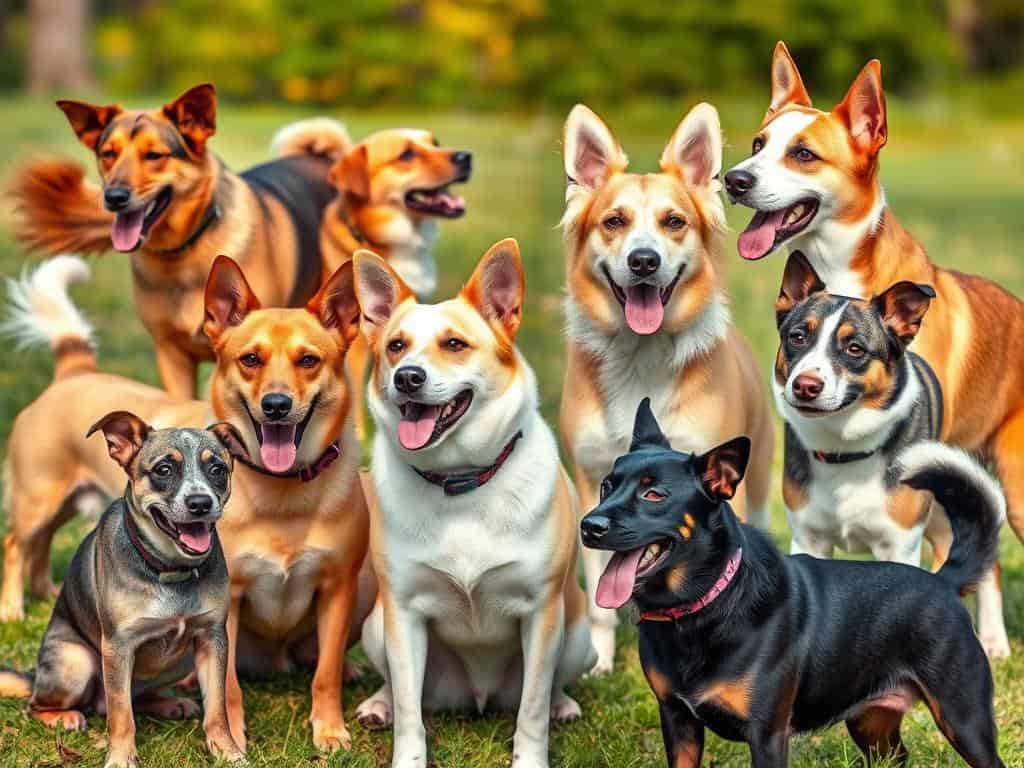
Decoding Pet Behavior Signs
Understanding pet behavior is key to a strong bond with our furry friends. Tail movements and facial expressions are vital communication tools. Recognizing these signals helps us interpret their emotions and meet their needs.
Tail Position and Movement
A dog’s tail tells a lot about their mood. A wagging tail usually means they’re happy and excited. But a low or tucked tail can show fear or submission.
A quick wag often means they’re eager to play. A slow wag might show caution or uncertainty. Dogs also use their tails to show anxiety or aggression. Knowing these signs helps us understand their mood and intentions.
Facial Expressions and Eye Contact
Dogs and cats show emotions through their eyes and mouth. A relaxed face with soft eyes usually means they’re content. But a tense mouth or narrowed eyes can show discomfort or stress.
Cats show trust and affection with slow blinking. Wide eyes can mean excitement or fear. Recognizing these signs helps us respond to their emotions. It strengthens our bond and helps us understand their unique personalities.















+ There are no comments
Add yours