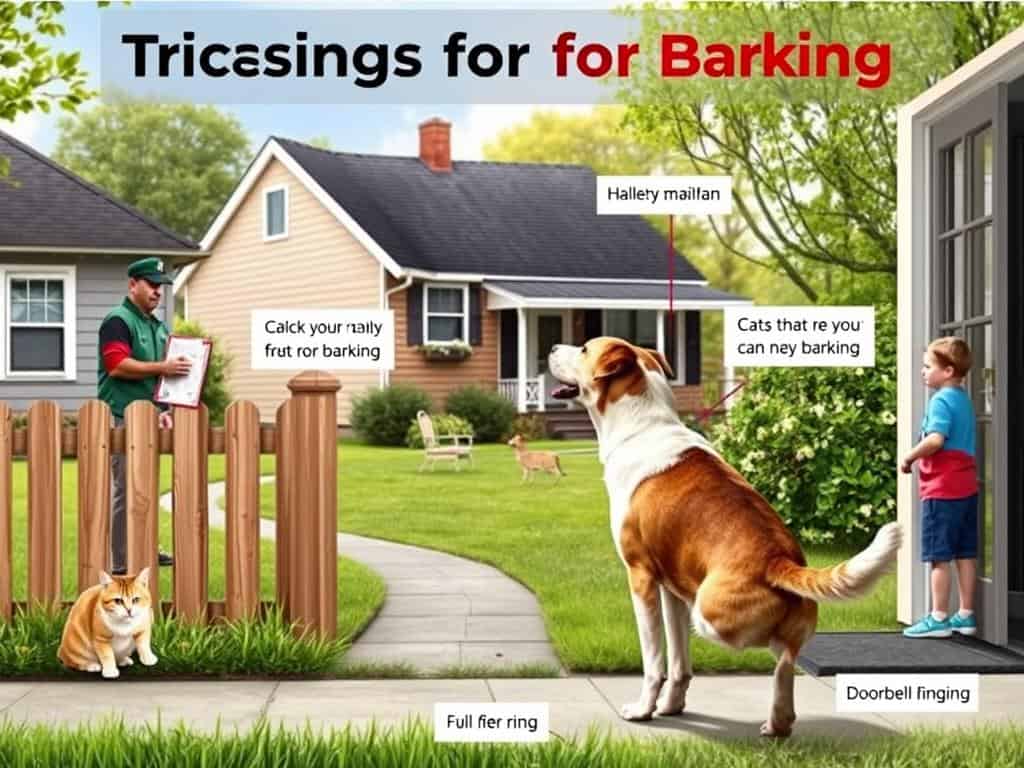
Have you ever been in a situation where your dog starts barking wildly at the door? I have. Last week, my dog saw a neighbor taking out the trash. It was like a switch flipped, showing alarm and excitement.
This moment made me realize how key it is to understand what makes dogs bark. Dogs bark for many reasons, not just to be loud. They bark to show joy, fear, or even to get attention. Knowing this can help us respond better and find ways to stop the barking.
Key Takeaways
- Different dog breeds have varying tendencies to bark, with some like Parson Russell Terriers bred for more vocalization.
- Barking can signal alarm, excitement, or distress, depending on the situation and individual dog’s emotional state.
- Understanding the context of barking is essential for effective communication and training.
- Common causes of excessive barking include boredom, anxiety, and a need to protect territory.
- Addressing barking issues may require consistent training strategies and mental stimulation for the dog.
- Professional help from dog trainers can be beneficial for ongoing barking problems.
- Dog parks and active environments can help reduce boredom and prevent excessive barking.
Understanding Dog Barking: An Insight into Canine Communication
Dog behavior is complex and interesting. Dogs bark, whine, howl, and growl to show their feelings and plans. Knowing these habits helps owners and dogs live together better. Each sound a dog makes can mean different things, so it’s important to listen well.
Vocalizations as a Form of Expression
Dogs bark to express their needs and feelings. The pitch and tone of their bark can show happiness, fear, or anger. For example, a high-pitched bark might mean they’re happy or excited. A lower-pitched bark could mean they’re uncomfortable or trying to warn you.
Different Sounds: Decoding Barking Signals
Listening carefully is key to understanding dog barks. Dogs bark in different ways for different reasons. Some barks are for attention, while others warn of danger. Research shows that barks can change based on the situation, like when they’re playing or warning you.
Context Matters: Recognizing Situational Barking
The situation when a dog barks is very important. By watching their body language and the situation, you can guess how they feel. This way, you can tell if they’re anxious or just playing, which helps you understand them better.

Dog Barking Triggers: What Makes Your Dog Vocalize?
Understanding dog barking triggers helps us know why our dogs bark a lot. There are many reasons for this behavior. Finding out why is key to fixing it.
Common Reasons for Excessive Barking
Dogs bark for many reasons. Territorial barking is common, as dogs warn off strangers or alert us to visitors. Alarm barking happens when they see or hear something startling.
Attention-seeking barking is when dogs want treats or play. Greeting barking is when they’re excited to see someone. Compulsive and frustration barking are also common, often in dogs that are bored or lonely.
Situational Factors Influencing Barking Behavior
Changes in the environment can make dogs bark more. Seeing other animals or new people can also trigger barking. Separation anxiety can cause dogs to bark when left alone.
This anxiety can lead to destructive behavior. Socializing and training can help reduce these barking situations.
Emotional States: Happiness, Fear, and More
Dogs bark based on their emotions. Happy dogs bark excitedly, while scared or anxious dogs bark defensively. Knowing these emotional cues helps us address the issues.
For example, if a dog barks from fear, finding out why helps us calm them. Training and positive reinforcement can reduce emotional barking, making life better for both dogs and owners.
Conclusion
Understanding dog barking is key to better communication with my pet. Knowing what makes them bark, like loneliness or boredom, helps me use the right strategies. This way, we can live in harmony.
Managing barking is important for my dog’s happiness. Positive training and using tools like bark collars can help. But, it’s vital to stay calm and consistent when training.
At times, getting help from a certified trainer or vet behaviorist is needed. This helps us tackle barking problems together. It ensures my dog’s emotional and physical health is taken care of.

















+ There are no comments
Add yours