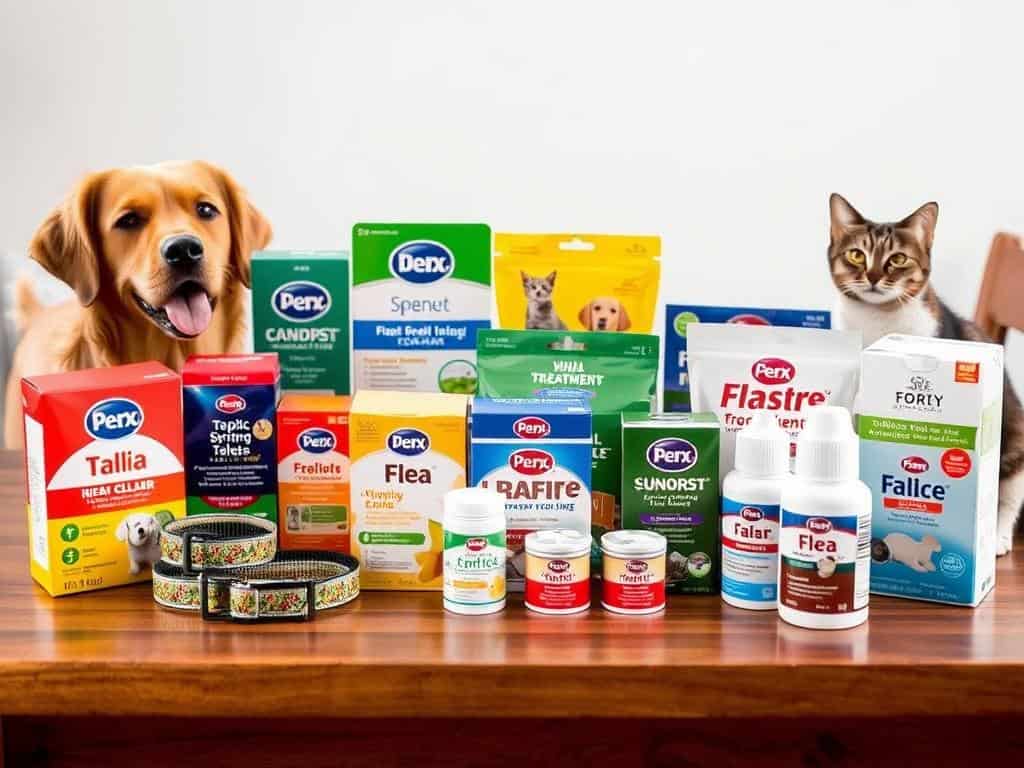
As a devoted pet owner, I’ll never forget the day my beloved Labrador, Max, began scratching incessantly. His fur flew in all directions. I inspected him and found flea dirt clinging to his coat.
I quickly realized this was not just a simple nuisance. It could lead to severe health issues, including skin irritations and hair loss. The thought of him suffering from anemia due to blood loss from flea bites made my heart sink.
The search for effective pet flea treatments became urgent. I learned about many options, from regular grooming to DIY natural remedies. Understanding the importance of flea control and the available treatments was a turning point.
Through research and persistence, I discovered various pest prevention strategies and effective flea remedies. These can bring relief to pets and their owners. Let’s explore these treatments together, ensuring no pet has to endure the scratching and discomfort Max faced.
So, let’s embark on this journey towards a flea-free paradise!
Key Takeaways
- Fleas can cause serious allergic reactions and skin irritations, necessitating immediate treatment.
- Regular grooming and maintaining a clean environment are key components of effective flea control.
- Natural remedies, such as essential oils, can effectively repel fleas while promoting overall pet health.
- Investing in dog treats designed for flea control provides a convenient and enjoyable way to keep pets protected.
- Prescriptive products and collars can offer extended protection, easing long-term pest prevention.
Understanding Fleas and Their Impact
Fleas are often overlooked, but they pose big risks to pets and homes. Knowing about their life cycle, how they invade homes, and the dangers they bring is key. This knowledge helps manage flea infestations effectively.
The Flea Life Cycle
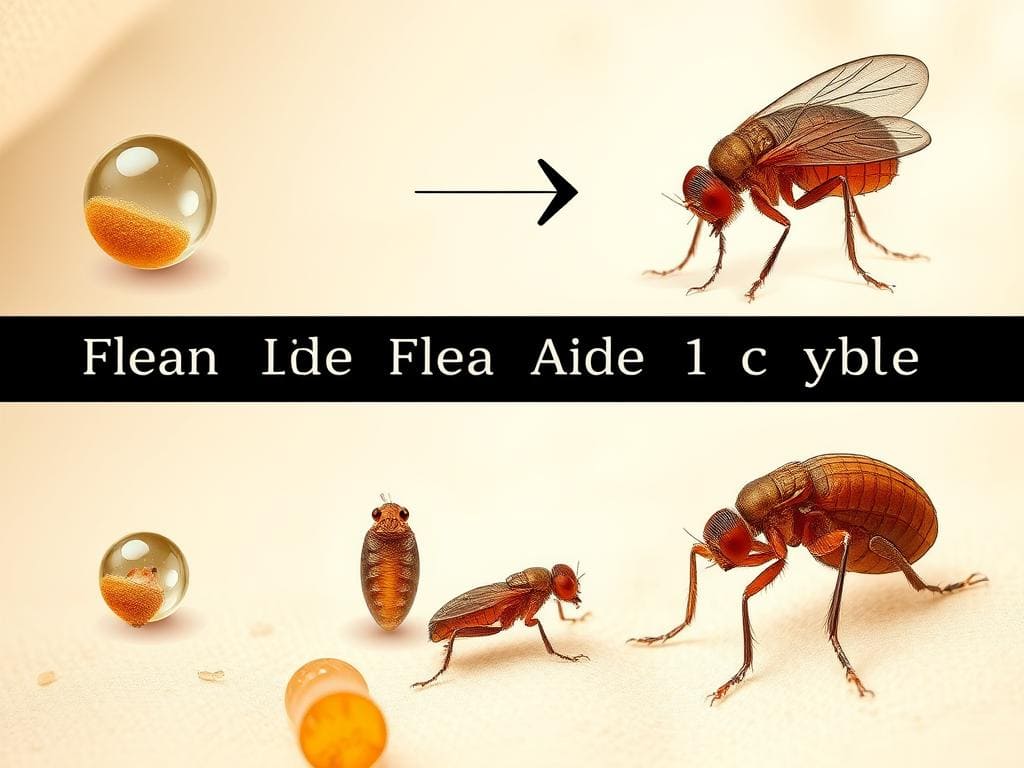
Understanding the flea life cycle is key to controlling them. Fleas go through four stages: egg, larva, pupa, and adult. A female flea can lay up to 50 eggs a day, which fall off onto carpets and furniture.
Larvae hatch in 2 to 14 days and eat organic debris, including flea feces. They then become pupae, a stage that’s hard to kill. When it’s time, adult fleas come out. This whole cycle can take weeks to months, depending on the environment.
How Fleas Enter Your Home
Fleas often come into homes on pets or humans. They like warm, dark places, making carpets, bedding, and furniture their favorite spots. Knowing how they get in helps us prevent them.
Regular cleaning and vacuuming are important to stop their cycle and reduce risks.
The Dangers of Fleas for Pets
Flea bites can cause a lot of trouble for pets. They can lead to itching, allergic reactions, and even anemia or tapeworms. A bad infestation can make pets lose hair and have irritated skin.
Getting rid of fleas quickly is important for pets’ health and to avoid environmental problems.
Effective Pet Flea Treatments
Managing fleas on pets needs a mix of treatments and prevention. Regular grooming is key to controlling fleas. It helps remove adult fleas and their eggs from your pet’s coat. Bathing with flea-repellent shampoo kills them on contact.
This keeps your pet clean and reduces home infestations.
Regular Grooming Practices
Grooming is a vital part of flea control. I use a quality flea comb to check for fleas in my pet’s fur. Regular baths with flea shampoo keep my pet fresh and flea-free.
This grooming helps prevent flea infestations, making it essential.
DIY Natural Remedies
Many pet owners use natural flea remedies. I make a lemon spray to repel fleas. It’s a mix of lemon juice and water.
Salt on carpets also keeps fleas away by absorbing moisture. It’s a natural way to care for your pet.
Prescription Treatments
For severe infestations, I use prescription flea control. My vet recommends topical or oral treatments. These are chosen based on my pet’s age, health, and lifestyle.
Prescription treatments are effective and protect against other parasites.
Conclusion
Keeping our homes flea-free is key for our pets’ health and happiness. Effective pet care means treating our pets and their environment. Regular grooming, cleaning, and flea treatments are vital to prevent infestations.
Even small mistakes can lead to big problems, like anemia in young pets. Using different treatments like oral medications and topical solutions helps a lot. For example, Comfortis and Frontline Plus are effective in preventing fleas.
Products like Capstar kill adult fleas fast, while others like Revolution last longer. By using these together, we can keep our pets and homes safe from fleas. This makes life better for everyone in the house.
Being proactive in flea control is essential. By following these steps, I know I’m keeping my pets safe and our home flea-free. Early action is important, and with effort, we can live without fleas.















+ There are no comments
Add yours