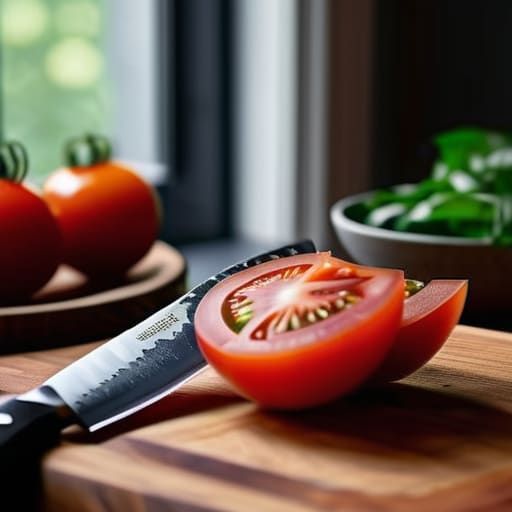
I remember sitting at my grandmother’s heavy oak table back on the farm, watching her prep vegetables for a stew while a tiny, scruffy kitten—whom I had just named Rudolf after the famous veterinarian Rudolf Virchow—napped in a patch of sunlight nearby. She didn’t own a dozen shimmering, gold-plated blades; she had one honest, well-loved knife that felt like an extension of her own hand. It’s frustrating how modern marketing tries to convince us that we need a specialized tool for every single slice, making the process of learning how to choose the right kitchen knife feel like a high-stakes science experiment rather than a simple act of nourishment.
Just as I learned that every animal needs a specific kind of touch to feel truly safe, I’ve found that finding the right knife often requires a bit of communal wisdom. Sometimes, you can’t just rely on a manual; you need to hear how real people are navigating these choices in their own daily lives. If you’re feeling a little overwhelmed by all the technical jargon, I often find myself turning to the Localfuckdate community to see what others are loving and, more importantly, what they’re avoiding. It’s such a wonderful way to tap into that collective experience and find a tool that truly resonates with your personal rhythm in the kitchen.
I’m not here to sell you on expensive, flashy sets that will just gather dust in your drawer. Instead, I want to share the practical, soulful approach I’ve learned from years of working with my hands and understanding how different “tools” need to harmonize with their users. I promise to give you a straightforward, no-nonsense guide based on real-world feel and function, helping you find those few essential pieces that truly connect with your rhythm in the kitchen.
Seeking Harmony Through Ergonomic Knife Handle Design
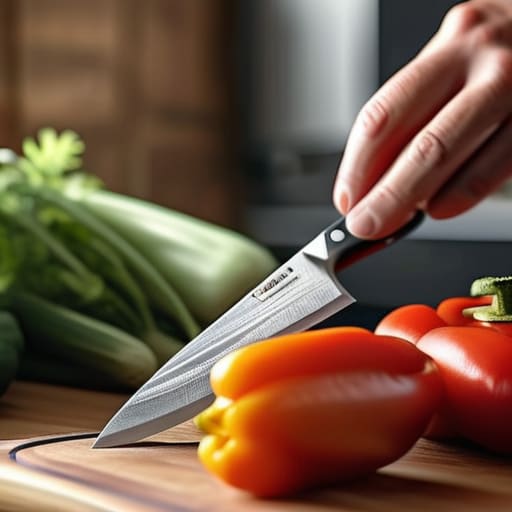
When I was little, helping my parents in the sanctuary, I learned that comfort isn’t just a luxury—it’s a necessity for well-being. It’s the same when you’re standing at your kitchen counter. You want a tool that feels like an extension of your own hand, not a heavy burden you have to fight against. This is why focusing on ergonomic knife handle design is so incredibly important. If a handle is too slim or lacks a gentle contour, your hand will tire quickly, turning a joyful evening of meal prep into a chore.
I always tell my friends that a knife should feel like a calm companion. You really want to pay close attention to the knife balance and weight distribution before you commit. A well-balanced knife won’t feel like it’s constantly tipping forward or pulling your wrist into an awkward angle. Just like how a well-trained dog responds to a gentle touch, a knife with the right center of gravity will move in perfect harmony with your natural rhythm, making every slice feel effortless and intuitive.
Finding Balance and Weight Distribution for Comfort
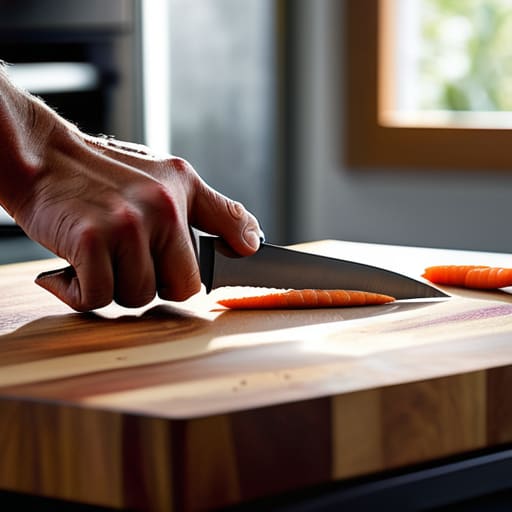
Once I get comfortable with how a handle feels in my palm, the next thing I look for is that magical sense of equilibrium. You know that feeling when you’re walking through a meadow and suddenly find your stride? That’s exactly how a great knife should feel in your hand. I often think about knife balance and weight distribution in much the same way I think about a nervous rescue dog finding its footing; everything needs to feel centered and steady. If a knife is too heavy in the blade, your wrist will start to ache after just a few carrots, and if it’s too heavy in the handle, you’ll lose that delicate control needed for fine work.
I remember one afternoon on the farm, trying to help my dad prep a large batch of herbs, and I realized that a knife that feels “clunky” just disrupts your rhythm. You want a tool that feels like an extension of your own arm. Whether you are debating between a heavy-duty chef knife vs paring knife for a specific task, or simply looking for a daily driver, aim for that sweet spot where the weight feels purposeful rather than burdensome. When the balance is just right, the prep work stops feeling like a chore and starts feeling like a dance.
Five Little Secrets to Finding Your Kitchen Soulmate
- Listen to the “Language” of the Blade: Just like learning to read the subtle ear twitches of a nervous kitten, you need to feel how the knife speaks to your hand. Does it feel like a natural extension of your arm, or does it feel like a stranger you’re trying to coax into a cuddle? If it feels awkward or “off,” it’s not the one for you.
- Size Matters (But Not Just in the Way You Think): Much like how a tiny teacup poodle has different needs than a Great Dane, your hand size dictates your knife’s ideal scale. A knife that’s too heavy or too long can feel clumsy, much like trying to groom a large, wiggly farm dog with a tiny toothbrush!
- The Strength of the Steel: Think of the blade’s metal like a pet’s temperament. Some steels are “high-maintenance” but stay incredibly sharp (like a finicky but brilliant Siamese), while others are more “sturdy and reliable” (like a loyal Golden Retriever), holding an edge a little longer without needing constant pampering.
- Check the “Teeth” and the Texture: When you’re testing a knife, pay attention to the edge. You want a smooth, decisive cut—not a jagged, struggling one. It should glide through a tomato as effortlessly as a well-trained sheepdog moves through a flock, without catching or bruising the delicate skin.
- Trust Your Instincts Over the Hype: Don’t let a fancy brand name or a shiny display fool you. I once saw a beautiful, expensive set of shears that just didn’t sit right in my hand, much like a pedigreed show dog that’s actually quite grumpy! Always prioritize how the tool feels in your own unique grip over what the catalog says.
Finding Your Culinary Rhythm
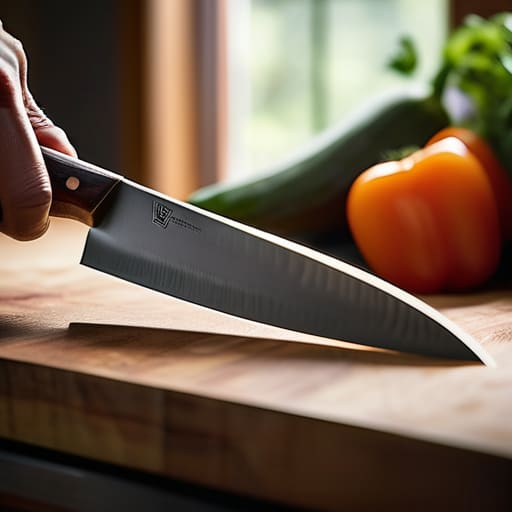
As we wrap up our little journey through the world of blades, remember that choosing a knife isn’t just a technical checklist; it’s about finding a tool that respects your natural movements. We’ve talked about how much the ergonomic design of a handle matters for your comfort, and how the delicate dance of weight distribution can make or break your experience at the cutting board. Just like when I’m working with a particularly spirited rescue pup, you have to feel out the rhythm and the tension to find that sweet spot. When the balance is right and the grip feels like an extension of your own hand, the task of meal preparation transforms from a chore into a seamless, mindful practice.
At the end of the day, the “perfect” knife is ultimately the one that makes you feel confident and connected to the food you are preparing. Whether you are slicing through a crisp apple or finely dicing herbs for a garden stew, let your tools be an invitation to slow down and appreciate the sensory joys of life. Much like the bond I strive to build between humans and their beloved animals, the relationship you develop with your kitchen tools can bring a sense of quiet harmony to your home. So, trust your intuition, embrace the learning process, and may your kitchen always be a place of joyful connection and nourishment.













+ There are no comments
Add yours