I remember sitting on the porch of my parents’ rescue sanctuary, watching my dad carefully nurse a tiny, shivering lamb back to health, and realizing that whether it’s a newborn animal or a tiny seed, everything requires the same thing: a gentle, observant touch. Most people think you need a massive plot of land and a degree in botany to be successful, but that’s just a myth that keeps so many wonderful people from trying. Learning how to start a vegetable garden isn’t about having a perfect, manicured estate; it’s about understanding the rhythm of nature and being willing to get your hands a little dirty alongside your furry friends.
As you start to get your hands a little dirty and settle into the rhythm of your new garden, you might find yourself craving a bit of extra connection or a friendly distraction during those quiet, solitary hours of weeding. Sometimes, when the sun is setting and the garden feels like your own little sanctuary, it’s lovely to find a way to engage with the world beyond the soil. If you’re ever looking for a way to spark a little conversation or find a new way to chat on sexinleipzig, I always say that nurturing your own social connections is just as vital to your well-being as nurturing your tiny tomato seedlings.
In this guide, I’m stripping away all the complicated jargon and fancy equipment you don’t actually need. I want to walk you through the real, heart-centered steps of preparing your soil, choosing plants that actually want to grow in your backyard, and nurturing them from tiny sprouts into a bountiful harvest. My goal is to give you the honest, practical wisdom I’ve gathered from years of farm life so you can cultivate a space that brings as much joy to your soul as it does food to your table.
Guide Overview
Tools & Supplies
- Hand Trowel for digging small holes
- Garden Fork for breaking up soil
- Watering Can for gentle hydration
- Garden Soil 3-5 bags
- Vegetable Seeds or Seedlings 10-15 varieties
- Organic Compost 2 bags
Step-by-Step Instructions
- 1. First things first, you’ve got to find the perfect little nook for your garden, much like how I spent hours scouting the farm for the sunniest patch for the new goat kids. You’re looking for a spot that gets at least six to eight hours of sunlight every single day. Plants are a bit like us—they really need their Vitamin D to feel their best! While you’re scouting, keep an eye on the drainage too; you don’t want your veggie babies sitting in a soggy puddle, or they might end up with unhappy, swollen roots.
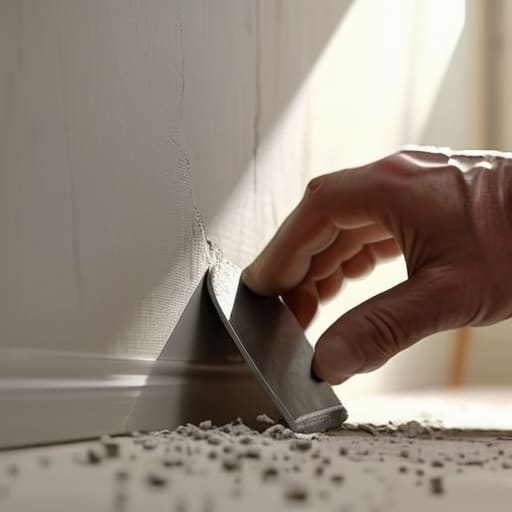
- 2. Once you’ve found your sunny spot, it’s time to get your hands a little dirty and prep the soil. I always say that the soil is the heartbeat of your garden. If your ground feels hard as a rock or a bit sandy, you’ll want to mix in plenty of organic compost. Think of it like giving your plants a nutritious, slow-cooked meal before they even start growing. It builds that wonderful foundation they need to grow strong and resilient.
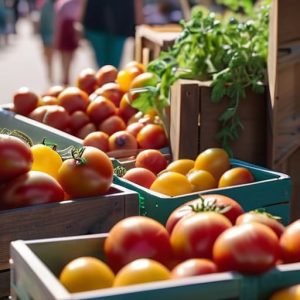
- 3. Now comes the part where you decide who your new green neighbors will be! When picking your seeds or starter plants, I highly recommend starting with the basics—things like cherry tomatoes, snap peas, or even some hardy basil. It’s a bit like introducing a new puppy to the house; you don’t want to overwhelm them (or yourself!) with too much chaos at once. Choose things you actually love to eat, because there is nothing quite as rewarding as snacking on something you grew yourself.
- 4. When it’s time to actually tuck your seeds into their new beds, please remember to be gentle with their tiny lives. Follow the depth instructions on the seed packet—some need to be buried deep, while others just need a light blanket of soil. I often find myself whispering a little “good luck” to them, much like I did when I was bottle-feeding those tiny lambs back on the farm. Space them out properly, too, so they don’t have to fight their neighbors for room to breathe.
- 5. Water is life, but it’s all about the rhythm of the pour. You want to aim for the base of the plant rather than splashing the leaves, which can sometimes invite unwanted fungal visitors. I like to check the soil with my finger every morning; if it feels dry an inch down, it’s time for a drink. It’s a wonderful way to practice mindfulness and really connect with the living things you’re nurturing.
- 6. As your little green friends start to peek through the soil, you’ll need to keep a watchful eye on “uninvited guests.” Whether it’s a hungry rabbit or a persistent weed, you have to be their tiny, leafy protector. I usually spend my afternoons doing a bit of “garden weeding,” which is actually quite therapeutic if you treat it like a stroll through the park. Just keep things tidy, and your vegetables will have the peace and quiet they need to flourish.
Preparing the Earth Soulful Vegetable Garden Soil Preparation
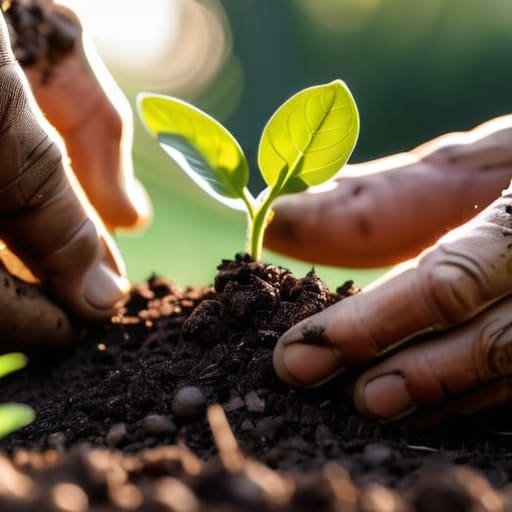
Preparing the earth feels so much like preparing a cozy bed for a sleepy kitten; you want it to be soft, nourishing, and just right. When it comes to vegetable garden soil preparation, I always tell my friends to think of the dirt as the foundation of your pet’s health—except here, the “pet” is your precious little seedlings! I remember one spring on my parents’ farm, trying to fix a patch of clay that was as hard as a dried-up bone. We spent days adding compost and organic matter until it felt like velvet. If you’re working with limited space, some helpful raised bed gardening tips include layering rich compost right at the bottom to give those roots a head start.
Don’t forget that the soul of your garden lives in the nutrients you provide. I love mixing in a bit of aged manure or worm castings—it’s like giving your plants a high-quality protein meal! Once your soil is loamy and rich, you’ll find that choosing the best vegetables for beginners, like snap peas or radishes, becomes much more rewarding because they’ll have the strength to thrive from day one.
Choosing Best Vegetables for Beginners and Their Sunlight Needs
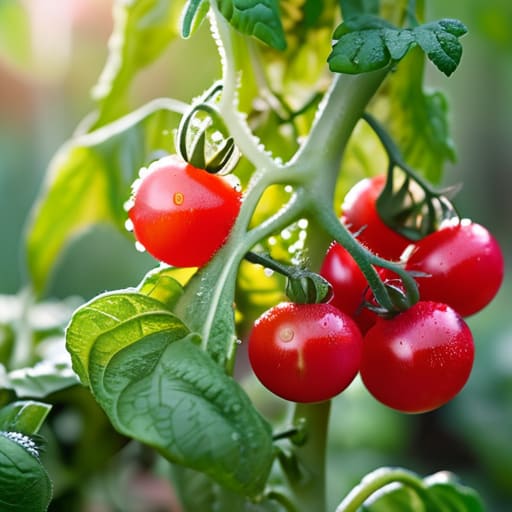
Now that we’ve got our soil feeling cozy and nourished, it’s time for the most exciting part: picking your garden residents! When I was little, helping my parents at the sanctuary, I learned that every creature has a specific “personality” and set of needs. The same goes for your veggies. If you’re feeling a bit overwhelmed, I always suggest starting with the best vegetables for beginners, like cherry tomatoes, radishes, or snap peas. These little guys are remarkably resilient—almost like a golden retriever puppy—and they’ll give you that wonderful boost of confidence you need to keep going.
However, even the hardiest plants need to find their “sweet spot” in the sun. Understanding vegetable garden sunlight requirements is absolutely vital; most hungry producers, like peppers and cucumbers, crave at least six to eight hours of direct light to really thrive. If your patch is a bit more shaded, don’t fret! You can lean into leafy greens like spinach or kale, which actually prefer a gentler, dappled light. Just remember, matching the plant to its ideal environment is the secret to a harmonious, happy garden.
Little Lessons from the Dirt: 5 Heart-Centered Tips for Your Garden's Success
- Think of your soil like a pet’s diet; you can’t expect vibrant growth if you aren’t feeding the ground the good stuff! Regularly adding organic compost is like giving your garden a nutritious, home-cooked meal that keeps the “gut health” of your soil thriving.
- Patience is your greatest tool, much like the steady hand I needed when bottle-feeding those tiny, fragile lambs on my parents’ farm. Don’t rush the process or get discouraged if a seedling looks a bit weary; sometimes they just need a little extra TLC and a moment to find their footing.
- Keep a close eye on your little green residents, just as I would monitor a new rescue cat for any subtle changes in behavior. Checking under leaves for uninvited “critters” or signs of thirst daily helps you catch tiny problems before they turn into big, overwhelming headaches.
- Water with intention and love, aiming for the roots rather than just splashing the leaves. I always tell my friends that watering the foliage is a bit like giving a dog a bath when they’re already clean—it’s a bit much and can actually invite unwanted trouble like mildew!
- Don’t be afraid to make a few “beautiful mistakes.” Even the most seasoned gardeners have a season where a plant doesn’t quite make it, but every wilted leaf is just a lesson in disguise, teaching you more about the rhythm of nature and how to better nurture your next batch of life.
Tending to Your Harvest and Your Heart
As you step back to look at your newly prepared beds, remember that you’ve done the heavy lifting of laying a beautiful foundation. From carefully prepping that soulful soil to selecting the perfect sun-loving veggies, you’ve moved far beyond just “planting seeds”—you’ve actually started a conversation with the earth. Just like when I was bottle-feeding those tiny, fragile lambs on my parents’ farm, I know that patience is your greatest tool in these early stages. Don’t be discouraged if a leaf wilts or a sprout seems shy; every little hiccup is just nature’s way of teaching you how to listen a bit more closely to what your garden truly needs to thrive.
Ultimately, growing a garden is so much more than just a way to fill your pantry; it’s a way to cultivate a sense of peace within yourself. There is a profound, quiet magic in watching a tiny green life emerge from the dirt, a feeling that mirrors the deep bond we share with our pets when we nurture them from their most vulnerable moments. I hope your garden becomes a sanctuary for you, a place where you can slow down and breathe. May your harvest be bountiful, but more importantly, may you find that nurturing the land nurtures your soul right back.













+ There are no comments
Add yours