
As a proud pet owner, I often think back to when my Labrador, Max, turned our backyard into his own playground. At first, I found his digging funny. But soon, I realized it was a serious issue that needed my help. Learning about behavior modification was key.
It wasn’t just about understanding Max’s triggers. It was also about creating a positive environment through effective training. With patience and effort, we could change his behavior. This made our bond even stronger.
In this article, I’ll share how to manage pet behavior. We’ll look at common issues and how to fix them. By using the right strategies, we can help our pets be their best selves. This way, we can enjoy a happy and harmonious life together.
Key Takeaways
- Understanding pet behavior is key for training.
- Consistency and patience are vital in changing behavior.
- Positive reinforcement works better than punishment.
- Our environment greatly influences our pets’ behavior.
- Using different techniques can increase success in changing behavior.
Understanding Bad Habits in Pets
It’s key to spot the bad habits pets can get into. Dogs often bark too much, jump on people, or get into food. These actions might come from boredom or not enough exercise. This makes training them a challenge.
Puppies have lots of energy and can pick up bad habits if they’re not active. They might chew things they shouldn’t or pull on leashes.
Identifying Common Behavioral Issues
Pets can pick up bad habits at any age. Spotting these early lets us act fast. For example, if a dog chews on furniture or shoes, it might be bored or not exercised enough.
Knowing what triggers these behaviors helps us find solutions. It’s important for all family members to respond the same way. This helps pets learn better.
The Role of Environment in Behavior
The place a pet lives affects its behavior. Dogs in noisy homes might be anxious or aggressive. But a quiet home can help them relax.
Changing the environment can help manage these issues. Knowing what makes pets act out helps us create a better home for them. This encourages good behavior. Keeping homes safe for pets and giving them the right toys helps meet their needs and stops bad habits.
Effective Behavior Modification Techniques
Using effective behavior modification techniques is key to lasting changes in my pet’s actions. These methods help encourage good behaviors and stop bad ones. Knowing how to use them can greatly improve my pet’s behavior.
Positive Reinforcement Strategies
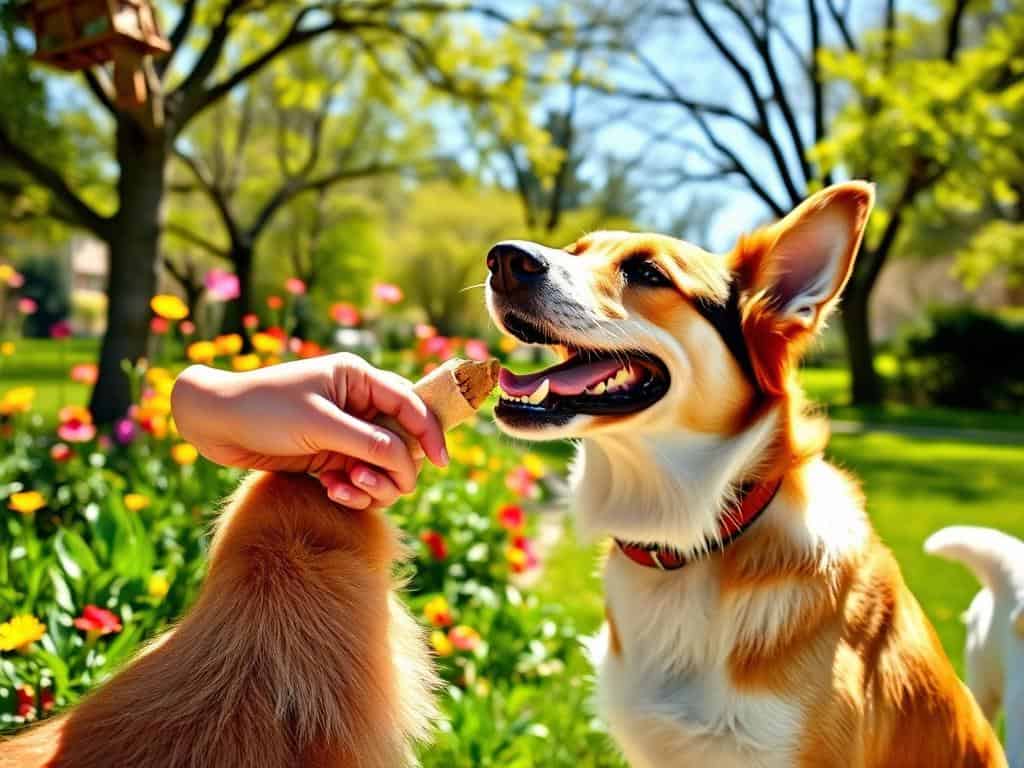
Positive reinforcement is a top choice for changing behavior. It focuses on rewarding good actions. For example, treats, praise, or extra playtime can be rewards for sitting or following commands.
This approach makes pets happier and builds trust. It’s important to reward right away to link the action to the reward. Using tools like clickers can make learning even better.
Discipline Strategies to Curb Unwanted Actions
Discipline is also important for managing bad behavior. Ignoring bad actions can stop them from happening again. Correcting my pet right away helps them understand what’s expected.
Redirecting their attention with other commands helps them learn the right thing to do. Staying calm and consistent is key. This way, my pet learns without feeling scared.
Training Tips for Successful Results
Getting good results in training is all about the right techniques. Setting clear goals makes training easier and helps track progress. Regular exercise keeps my pet’s energy in check.
Working with a professional trainer can also help. Consistency in training is essential. Regular practice and exposure to new places help my pet learn and grow confident.
Conclusion
To change pet behavior, we must first understand why they act out. A behavior modification summary helps us find the root causes. Then, we can use positive reinforcement to improve their training.
Using the right discipline and consistent training is key to changing behavior. Being patient and building trust with our pets is essential. This approach not only improves their behavior but also strengthens our bond.
By committing to understanding and changing our pets’ behavior, we can achieve lasting results. This journey will bring us joy and companionship, free from bad habits.

















+ There are no comments
Add yours