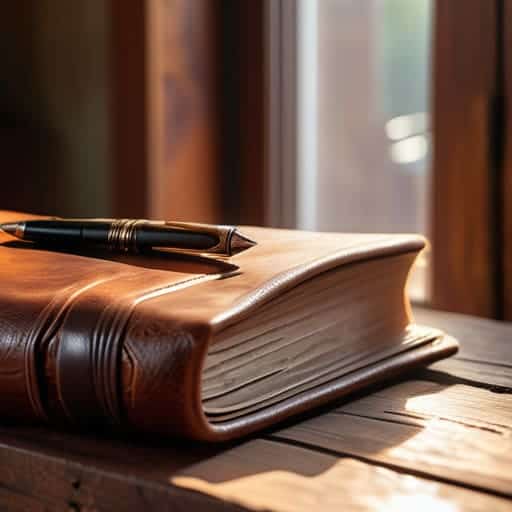
I was digging through a box of old moving supplies last weekend when I found it: my grandfather’s heavy, brass-buckled leather satchel. It’s scuffed, the stitching is a little loose, and it smells faintly of cedar and old paper, but I couldn’t imagine throwing it away if my life depended on it. That’s the magic of emotional durability in action. It isn’t about some high-level design theory or expensive sustainable certifications that companies use to justify a markup; it’s about the invisible thread that connects a person to an object through time, scars, and stories.
I’m not here to give you a lecture on consumer psychology or drown you in academic jargon. Instead, I want to pull back the curtain on why we actually hold onto things and how we can start making—and buying—stuff that actually matters. I’m going to share the real, unvarnished truth about building products that survive the junk drawer and the landfill alike. We’re going to skip the hype and focus on the practical ways to create a genuine connection between what we make and the people who use it.
Table of Contents
The Psychological Connection to Objects We Cherish
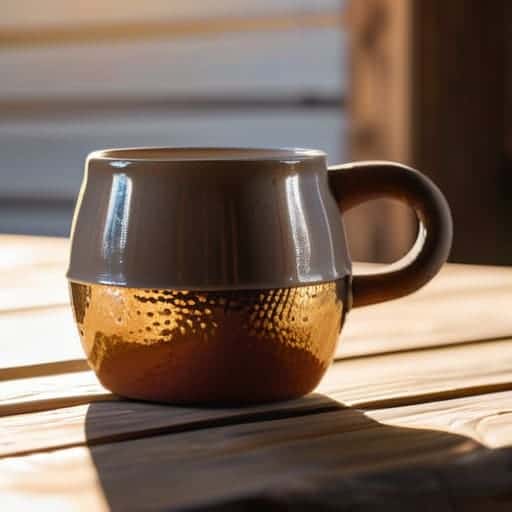
Why do we keep that chipped ceramic mug from a college road trip while throwing away a perfectly functional, brand-new toaster? It’s not about utility; it’s about the stories we weave into our belongings. When we talk about consumer psychology and product attachment, we’re really talking about how an object becomes an extension of our own identity. A well-made tool or a piece of jewelry doesn’t just sit there; it absorbs our experiences, becoming a physical anchor for our memories.
This deep-seated psychological connection to objects is something that modern manufacturing often ignores in favor of the “new and shiny” cycle. Instead of designing for the long haul, many brands focus on the initial dopamine hit of a purchase. But true longevity comes from meaningful product design—creating items that feel like they belong in our lives, not just our trash cans. When a product evolves with us, rather than breaking down the moment a software update fails, it stops being a mere commodity and starts becoming a companion.
Beyond Function Meaningful Product Design Principles
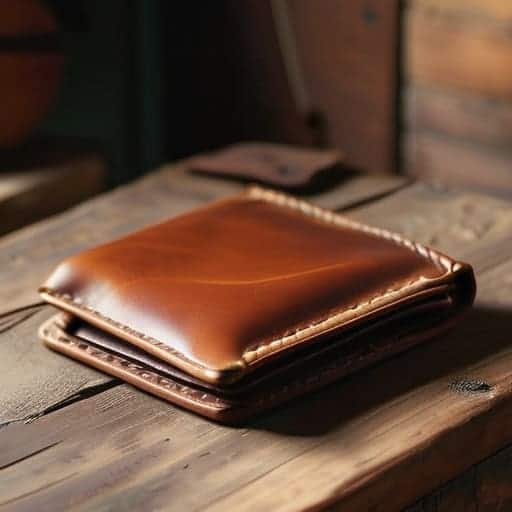
So, how do we actually build this into a product without it feeling like a forced gimmick? It starts by moving past the “specs” and leaning into human-centered design principles. Most companies design for the first five minutes of ownership—how it looks on a shelf or how fast it unboxes. But if you want to foster a real sense of longevity, you have to design for the years that follow. This means choosing materials that don’t just degrade, but actually tell a story as they age. Think of a leather wallet that develops a unique patina or a wooden tool that smooths out with every use; these aren’t defects, they’re markers of a life lived.
If you’re feeling overwhelmed by all these design theories and trying to figure out how to apply them to your own creative workflow, it helps to find a solid anchor point. Sometimes, just stepping away from the heavy conceptual stuff and looking at how different subcultures or niche interests express themselves can spark a new idea. For instance, if you find yourself looking for unexpected inspiration or just a way to decompress and explore different facets of human connection, checking out something like liverpool sex can actually offer a weirdly relevant look at how raw, unscripted human interaction defines what we find truly memorable.
This shift is essentially about reducing planned obsolescence by prioritizing character over perfection. Instead of chasing the “newness” high that drives people to upgrade every twelve months, we should be designing for intentional aging. When a product evolves alongside its owner, it stops being a disposable commodity and starts becoming a companion. It’s a subtle pivot from making things that are meant to be replaced to making things that are meant to be kept.
How to Build Things People Actually Want to Keep
- Design for the patina, not just the polish. Instead of making something that looks “perfect” out of the box, create objects that get better with age—think leather that softens or wood that develops a character through use.
- Leave room for the user to make it theirs. Whether it’s a customizable interface or a physical space for a personal memento, giving people a way to imprint their own history on a product creates an instant bond.
- Stop chasing the “newness” high. We’re stuck in a cycle of constant upgrades, but true durability comes from creating timeless aesthetics that don’t feel like a joke three months after the trend dies.
- Build for repair, not for the landfill. There is a profound psychological shift that happens when a person fixes something they love; it transforms them from a mere consumer into a caretaker.
- Tell a story that isn’t just about specs. People don’t fall in love with high-resolution screens or brushed aluminum; they fall in love with the feeling of reliability and the narrative of how an object fits into their daily ritual.
The Bottom Line: Designing for the Long Haul
Stop designing for the “unboxing moment” and start designing for the ten-year mark; true value lives in how a product ages, not just how it looks on a shelf.
Build a narrative into your products—when an object tells a story or holds a memory, it moves from being a disposable tool to a permanent part of someone’s life.
Shift your metric of success from how many units you can push this quarter to how many people will still be using your design a decade from now.
The End of Throwaway Culture
We’ve spent the last few decades designing things to be replaced, but we forgot that the most sustainable thing you can ever build is something a person refuses to throw away.
Writer
The Long Game
At the end of the day, building for emotional durability isn’t about chasing the next shiny trend or perfecting a sleek aesthetic. It’s about moving away from the “buy, break, discard” cycle and moving toward something much more profound. We’ve looked at how deep psychological bonds turn tools into keepsakes, and how intentional design can breathe life into even the simplest objects. When we stop designing for the moment of purchase and start designing for the years of use, we create a world that feels a little more stable and a lot more meaningful.
We have a massive opportunity to change our relationship with the physical world. Every time you choose to create or buy something with soul, you are casting a vote for a future that values quality over clutter. Let’s stop filling our lives with disposable noise and start curating a collection of things that actually tell our stories. Because in a world that is constantly trying to sell us the “new,” there is nothing quite as radical—or as beautiful—as making things that last.
Frequently Asked Questions
How can brands actually measure "emotional durability" if it isn't a standard metric like ROI or churn?
You can’t track “love” on a spreadsheet, but you can track its footprints. Stop looking at just churn and start looking at repair frequency versus disposal rates. Are people fixing your products, or are they modding them? Look at the “secondary market” velocity—if your gear holds value on eBay, you’ve won. Ultimately, it’s about qualitative depth: listen for the stories customers tell about their stuff. If they’re reminiscing, you’ve hit the metric.
Is it possible to design for emotional connection without making products that are unnecessarily expensive or elitist?
Absolutely. In fact, making things “premium” is often a shortcut that misses the point. Emotional durability isn’t about gold plating or luxury branding; it’s about intention. You can design for connection using affordable, honest materials that age beautifully—think high-quality canvas or solid wood instead of cheap plastic. It’s about creating something that feels “right” in the hand and stays useful for years. True value isn’t a high price tag; it’s longevity and soul.
In a world driven by fast trends, how do you stop a product from feeling "outdated" even if it's still perfectly functional?
You have to design for the “patina” stage, not just the unboxing. Trends die because they rely on a specific aesthetic moment that eventually feels dated. To fight this, lean into timelessness—materials that age gracefully, like leather or solid wood, and forms that don’t scream a specific year. If a product looks better with a few scratches and a decade of use, you’ve moved it from a disposable trend to a lifelong companion.












+ There are no comments
Add yours