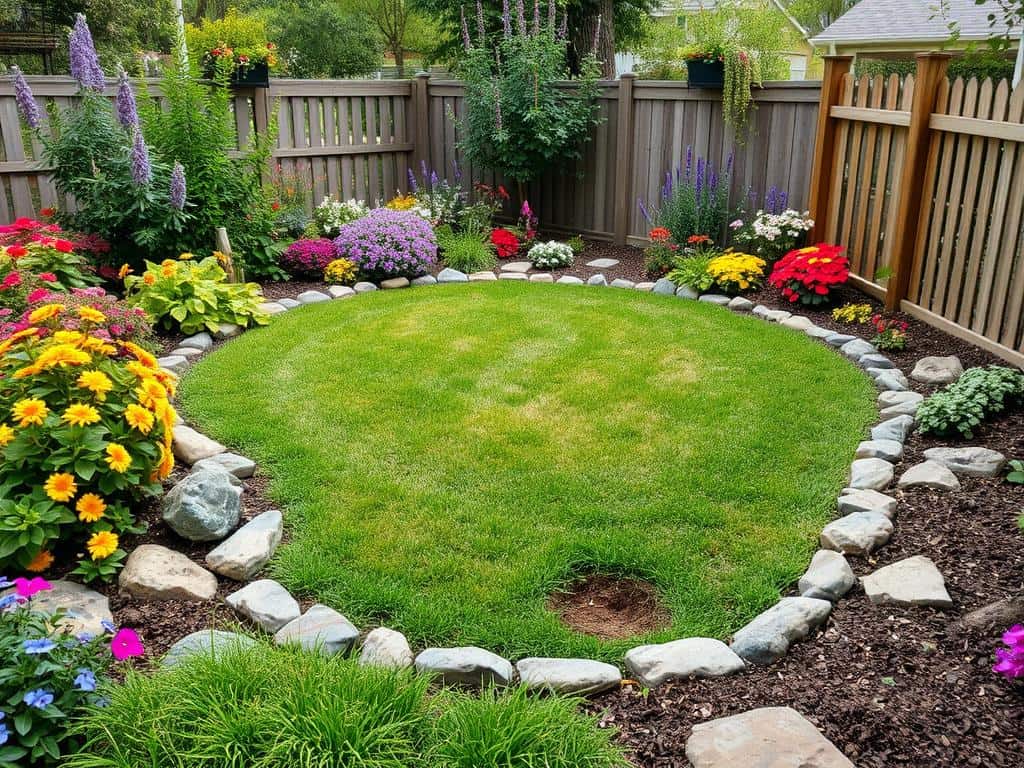
As a proud dog owner, I’ve faced many funny yet frustrating moments. My energetic Labrador, Charlie, loves to dig in my garden. He digs up pots and plants, thinking it’s fun. But for me, it’s a sign I need to stop him.
I wondered why dogs dig so much. Is it boredom, a need to cool off, or a hunting instinct? I started looking for ways to stop Charlie’s digging. I wanted to understand why he digs and find ways to manage his behavior.
Through research and dog training, I found some great tips. These methods have helped me control my garden and meet Charlie’s needs. I’m excited to share these tips with you, so you can enjoy your outdoor space again.
Key Takeaways
- Understanding your dog’s digging behavior is key to managing it.
- Boredom is a big reason for digging, so keeping your dog’s mind busy is important.
- Setting aside areas for digging can satisfy your dog’s instincts without harming your garden.
- Teaching your dog commands can help stop them from digging where they shouldn’t.
- Creating safe zones in your yard is vital to prevent digging.
Understanding Why Dogs Dig
Exploring why dogs dig is fascinating. It helps us keep our yards safe and prevent digging. Let’s look at the main reasons dogs dig.
Common Reasons for Digging
Dogs dig for many reasons. Some do it because they have a strong hunting instinct. Terriers, for example, dig to find moles or mice.
They also dig because of their wolf-like ancestry. Pregnant dogs dig to make a safe place for their puppies. Some dogs dig to get out of their yard or to find a mate.
Digging can also be a sign of boredom, anxiety, or fear. Knowing why a dog digs is key to stopping it.
How Pet Habits Influence Digging
Pet habits greatly affect whether dogs dig a lot. Dogs without enough mental and physical activity dig more. They look for something to do to be entertained.
Some dogs dig to relax when they feel trapped or stressed. Knowing these habits helps us change our routines. This can reduce digging.
Digging Prevention Techniques
There are many ways to stop your dog from digging. You can create special areas for them, keep your yard safe, and give them fun activities. This helps meet their physical and mental needs.
Creating a Digging Pit for Your Dog
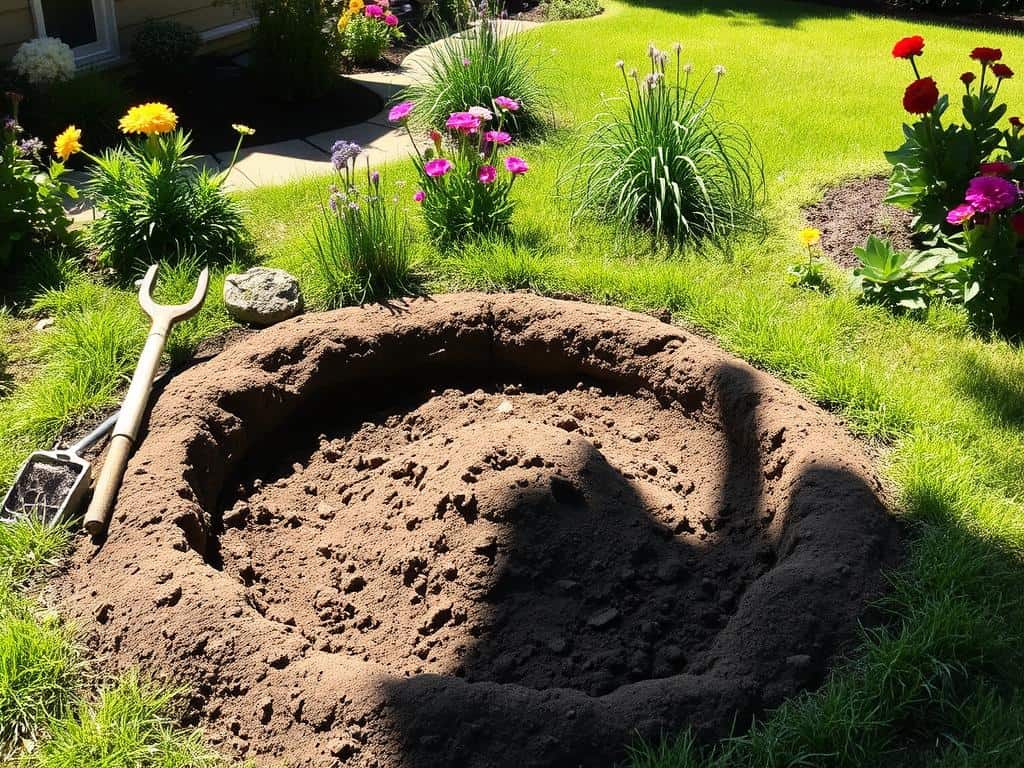
Setting up a digging pit is a great way to let your dog dig safely. Fill it with sand or soft soil. This way, they can dig without digging up your yard.
Many dogs love digging in these pits. In fact, 90% of dogs stop digging in less than a week after using their own poop in the pit.
Enhancing Yard Safety
Keeping your yard safe from digging is important. Use fences to block off areas where digging is not allowed. Decorative rocks or chicken wire can also help keep your dog out of trouble.
These steps, along with using stones or natural repellents, can really help. Teaching your dog where they can dig safely can also reduce digging.
Providing Mental and Physical Enrichment
Adding fun activities to your dog’s day is key. Regular walks and hikes help them burn off energy and reduce digging. Interactive toys and games keep them mentally sharp.
Playing different games can keep your dog from getting bored and digging. This enrichment helps cut down on digging.
Conclusion
Understanding why dogs dig is key to stopping them. Some breeds, like terriers and hounds, are naturally inclined to dig. Knowing this helps us manage their behavior better.
Other reasons for digging include boredom, seeking attention, and anxiety. This knowledge lets us change our approach to help our pets. We can teach them healthier habits.
Preventing digging involves creating safe digging spots and keeping yards safe. It also means giving dogs enough exercise and mental stimulation. This way, we redirect their energy into positive activities.
Regular walks, playtime, and other activities keep dogs happy and prevent digging. Making a few changes in our routine can greatly improve our dog’s life.
It’s possible to keep a clean yard and meet our dog’s digging needs. By understanding breed tendencies and using effective strategies, we create a happy environment for our pets. This approach benefits both our dogs and our homes.

















+ There are no comments
Add yours