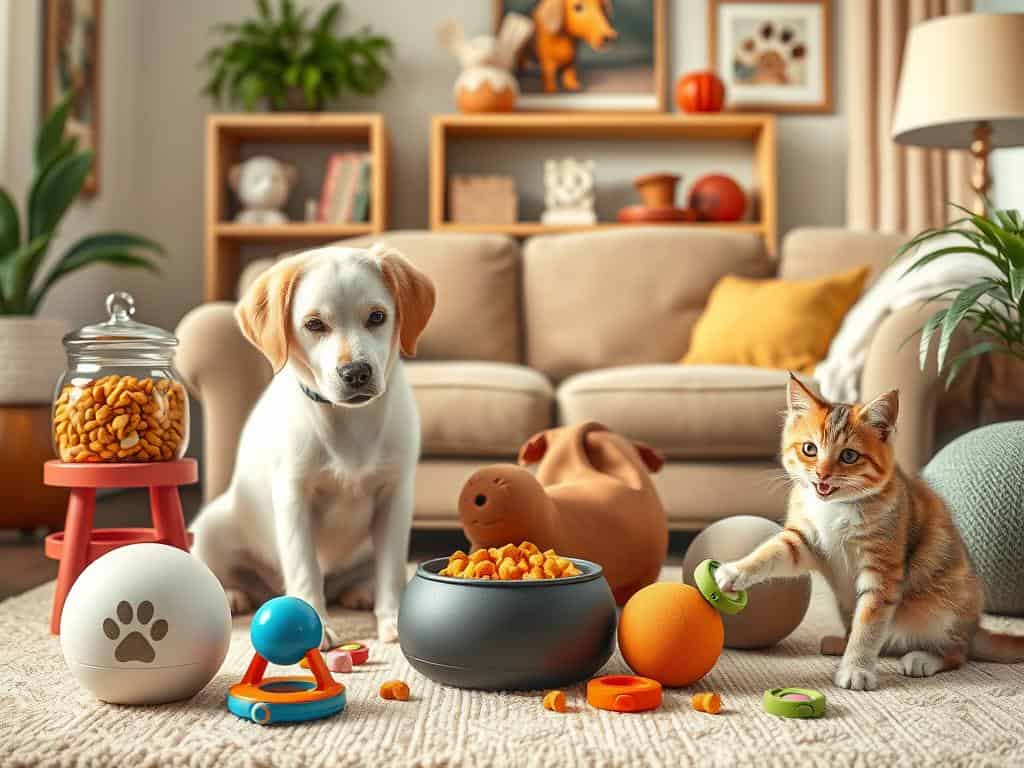
When I first got my dog, I was excited and a bit nervous. Training a new pet can seem tough, but rewards are key. I found that using rewards can turn any pet into a well-behaved family member. Every time I gave my dog a treat, his eyes would light up.
This simple act became a way to teach him good behavior. But, I had to figure out what rewards he liked best. I discovered that hot dog pieces were his favorite, not cookies. This made our training more fun and showed me the importance of knowing what rewards work best.
I learned to give rewards right after he did something good. This helped him learn and grow. Now, I know how important it is to use the right rewards at the right time.
With patience and consistency, we got better at training. Looking back, I see how important it is to keep track of when and where I gave rewards. This helps make sure I’m teaching the right behavior.
Key Takeaways
- Effective pet reward systems utilize positive reinforcement to encourage desired behaviors.
- The choice of rewards significantly impacts the success of training sessions.
- Understanding a dog’s hierarchy of rewards is key for effective training.
- Timely delivery of rewards reinforces learning and shows what behavior is wanted.
- Consistency in reinforcement helps avoid teaching bad behaviors by accident.
- Tracking rewards can improve training results and strengthen the bond between pet and owner.
The Power of Pet Reward Systems
Understanding reward systems is key to a positive pet training experience. By using positive reinforcement, I teach my pet to link good behavior with rewards. This connection is vital for learning.
Understanding Positive Reinforcement
Positive reinforcement means rewarding a pet right after they do what you want. For instance, if I teach my dog to “sit,” giving him a treat or praise immediately helps him learn. Waiting too long to reward can confuse them.
Choosing the Right Rewards
Choosing the right rewards means knowing what my pet likes. High-value treats and toys work best. Snacks like hot dogs can be very motivating. Also, praise and petting can make training more enjoyable if my pet connects them with rewards.
Effective Training Techniques with Rewards
Using the right training techniques can really help improve pet behavior. Reward-based training is very effective. It makes communication and trust between pets and their owners better. Timing is key in this method to reinforce good behavior.
Timing is Crucial
Effective pet discipline needs precise timing for rewards. I give a reward right after my pet does what I want. For example, when my dog listens, I praise or give treats quickly. This makes them want to do it again.
Consistency in Reinforcement
Keeping reinforcement consistent is important for good training. Everyone in the family should use the same cues and rewards. This helps my pet learn faster and avoids confusion.
Varying the Frequency of Rewards
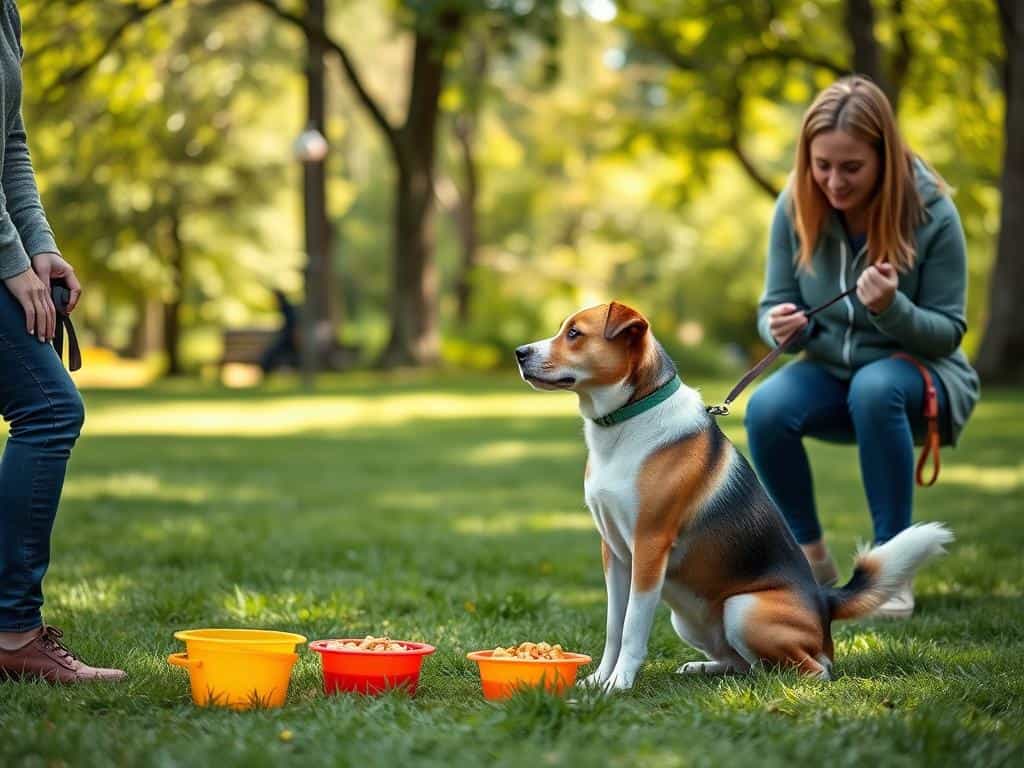
Varying rewards helps with long-term learning. I start with treats for every good action. Then, I give treats less often, like every third time. This keeps my pet interested and shows them rewards are possible even if not every time.
Conclusion
Understanding pet reward systems is key to shaping my pet’s behavior. By choosing rewards that my pets love, I create a space that encourages good behavior. This also strengthens our bond.
Timing and consistency are important. They help my pets understand what behaviors are rewarded. This makes training more effective.
While treats are great for starting training, it’s important not to rely too much on them. This helps improve pet behavior and opens up other training methods. Using different rewards like praise and playtime makes learning fun for my pets.
Using these methods helps me train my pets in a positive way. It makes our training sessions enjoyable for both of us. By focusing on positive reinforcement, I guide my pets towards good behavior. This builds a strong and rewarding partnership.














+ There are no comments
Add yours