
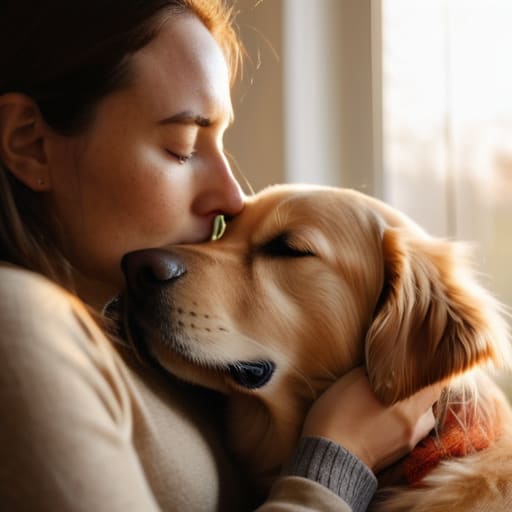
When I adopted Sophie, my ten-year-old golden retriever, I doubted she could learn new tricks. She had a set routine and seemed set in her ways. But one evening, with some treats, I decided to try. Sophie quickly learned the “sit” command in our first session.
This moment not only strengthened our bond but also improved her obedience. It made me realize training older pets can be incredibly rewarding. As we continued, Sophie became more obedient with consistent training and positive feedback.
I learned that older pets have a lot to offer. They just need the chance to show it.
Key Takeaways
- Training older pets can be a rewarding experience for both owner and pet.
- Consistency and patience are key for success in training.
- Positive reinforcement helps older pets learn new tricks.
- Keep training sessions short—15 to 20 minutes is best.
- Older pets may need more time to adapt due to physical limitations.
- Teaching simple commands can boost confidence in senior pets.
Understanding the POTENTIAL OF OLDER PETS
Many believe older dogs can’t learn new tricks. But this is just a myth. Older dogs might learn slower, but they can learn new things. It’s important to remember that dogs can change their ways with the right training.
Debunking the Myth: You Can Teach an Old Dog New Tricks
As pets get older, it’s key to understand their behavior. Some older dogs might seem confused due to hearing or vision loss. Being patient and setting clear rules helps them feel secure and learn better.
Many older dogs lack training, making gentle guidance even more important. This helps them learn and feel more at ease.
Why Training Older Pets is Beneficial
Training older pets has many benefits. It keeps them physically and mentally sharp. It also improves their mood and behavior.
Setting boundaries helps them adjust to new homes, even for rescue dogs. Regular training sessions strengthen the bond between owners and pets. This creates a peaceful home environment.

Training Older Pets: Techniques and Approaches
Training older pets requires effective techniques for success. A mix of positive reinforcement and understanding their needs is key. Training senior pets may take longer due to physical limitations and habits. Tailoring our approaches is essential.
Positive Reinforcement as a Cornerstone
Positive reinforcement is vital for training senior pets. It uses rewards like treats and praise to encourage good behavior. This method creates a positive learning environment.
Older dogs love to please their owners. They respond well to positive reinforcement, leading to better learning.
Tailored Training for Physical Abilities
Training should match the physical abilities of senior pets. Knowing their stamina and health needs helps tailor training. This includes using harnesses for dogs with joint issues.
Tools like harnesses ensure comfort and safety. Hand signals are helpful for older pets with hearing loss. Gradually introducing new elements helps them learn smoothly.
Consistency and Patience for Long-Term Results
Consistency is essential for long-term training success. Older dogs may have shorter attention spans and learn slower. A regular schedule helps create a good learning environment.
Patience is also key. Giving senior pets time to learn new skills improves their behavior. Celebrating small victories and making training fun strengthens the bond between owner and pet.
Conclusion
Training older pets is very important. It makes them more obedient and strengthens our bond with them. Older dogs can learn and adapt well, improving their life quality.
By giving them mental stimulation and exercise, they thrive. Every training session is worth it.
For training older pets, I use positive reinforcement. This means using treats, toys, and words to encourage them. It builds trust and friendship.
It’s key to adjust training to fit each dog’s needs. This makes them feel safe and motivated. Short sessions with one or two commands work best for their focus.
Training older pets shows it’s never too late to teach them new things. It keeps their minds sharp and strengthens our bond. It’s a rewarding effort that makes our lives better together.
















+ There are no comments
Add yours